
Wireless mesh networks have become an essential part of modern connectivity, supporting everything from smart homes and enterprise Wi-Fi to industrial automation and large-scale IoT deployments. Unlike traditional wireless networks, mesh networks rely on multiple interconnected nodes that continuously communicate to provide seamless coverage and resilient connectivity. To ensure these networks perform reliably under real-world conditions, mesh network testing is an essential step in product development and validation.
As mesh technologies become more complex with Wi-Fi 6, Wi-Fi 7, and future wireless standards, engineers need advanced testing environments that can evaluate multiple devices simultaneously. A professional mesh connectivity test helps verify communication stability, roaming behaviour, throughput, latency, and network resilience. By using an automated mesh test system, manufacturers can accelerate validation while producing accurate, repeatable, and scalable test results.
Key Takeaways
Validates communication between multiple mesh nodes
Simulates real-world wireless environments
Supports automated and repeatable testing
Measures network stability, throughput, and roaming performance
Reduces testing time and manual intervention
Ideal for Wi-Fi, IoT, and enterprise networking products
What Is Mesh Network Testing?
Mesh network testing is the process of evaluating how multiple wireless devices communicate, exchange data, and maintain stable connections within a mesh topology. Instead of testing a single access point, engineers assess the performance of the complete network under different operating conditions.
Testing focuses on how nodes interact with each other while maintaining reliable connectivity across the entire network. This approach helps identify performance issues before products reach customers.
Why Mesh Connectivity Tests Matter
A reliable mesh connectivity test goes beyond verifying basic communication. It measures how efficiently devices maintain connections as network conditions change, ensuring dependable performance in demanding environments.
Engineers typically evaluate:
Node-to-Node Communication
Verifies stable communication between all mesh devices.
Roaming Performance
Measures how client devices transition between mesh nodes without losing connectivity.
Network Stability
Evaluates overall reliability during continuous operation.
Throughput Performance
Measures data transfer rates across multiple wireless links.
Latency Analysis
Determines how quickly information travels throughout the mesh network.
Recovery Behaviour
Assesses how the network responds when a node becomes unavailable or communication paths change.
These measurements provide valuable insight into overall mesh network performance.
How an Automated Mesh Test System Improves Validation
Manual testing becomes increasingly difficult as the number of wireless nodes grows. An automated mesh test system simplifies this process by executing repeatable test scenarios with minimal operator involvement.
Automation provides several advantages:
Simultaneous testing of multiple devices
Consistent and repeatable measurement conditions
Automated data collection
Faster validation cycles
Reduced human error
Higher laboratory productivity
By automating complex testing workflows, engineers can evaluate more configurations in less time while maintaining consistent results.
Key Features of Modern Mesh Test Systems
A professional mesh testing platform typically includes:
Multi-Device Testing
Supports simultaneous evaluation of numerous wireless nodes.
Automated Test Sequences
Reduces manual configuration through programmable workflows.
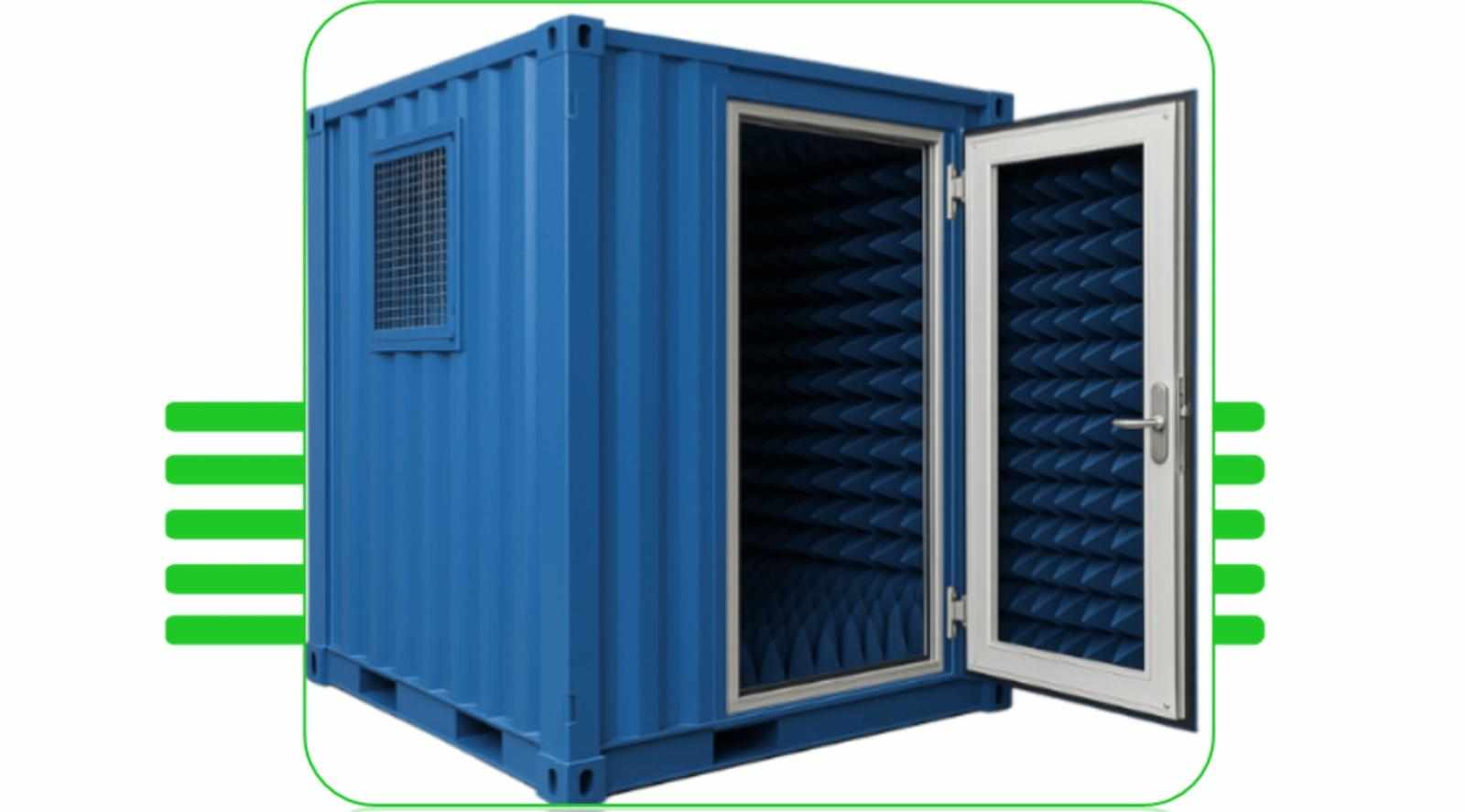
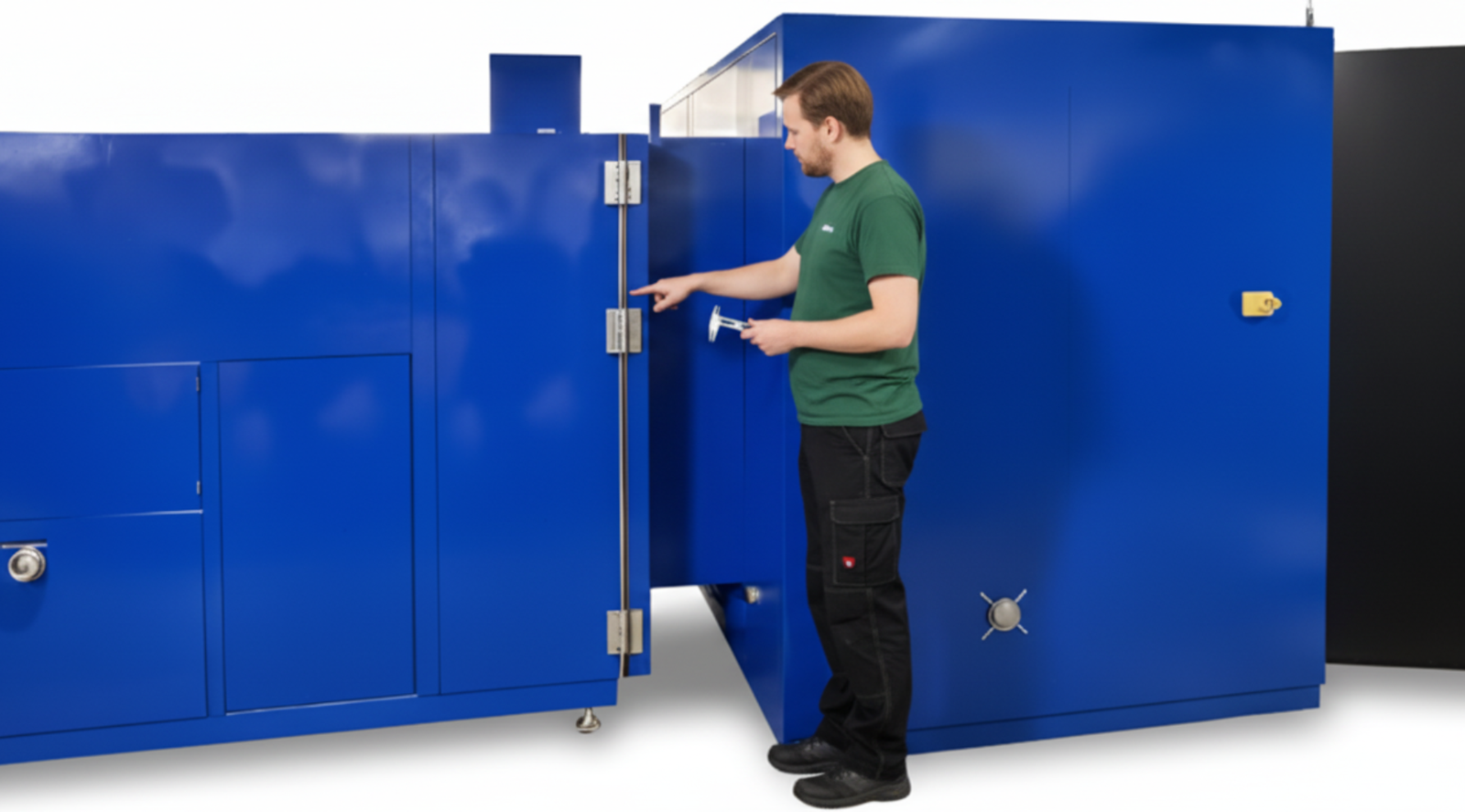
Controlled RF Environment
Minimises external interference for accurate and repeatable measurements.
Performance Monitoring
Captures detailed metrics for throughput, latency, signal quality, and connectivity.
Scalable Architecture
Allows additional devices and test scenarios as product requirements evolve.
Flexible Integration
Works with modern wireless standards, RF instrumentation, and automated laboratory environments.
Applications Across Multiple Industries
Mesh testing supports a wide variety of wireless technologies and industries.
Consumer Electronics
Testing Wi-Fi routers, smart home devices, and connected appliances.
Enterprise Networking
Validating office, campus, and commercial wireless infrastructure.
Industrial IoT
Evaluating communication reliability in factories and automated production environments.
Automotive
Testing connected vehicle communication systems and wireless modules.
Research and Development
Supporting the development of next-generation wireless networking technologies.
Benefits of Automated Mesh Network Testing
Organizations implementing advanced mesh testing solutions benefit from:
Improved product quality
Faster development cycles
Reliable performance validation
Reduced testing costs
Greater automation
Higher measurement repeatability
Better scalability for future technologies
Increased confidence before product release
These benefits help manufacturers deliver dependable wireless products while reducing engineering effort.
Why Choose Orbis Systems?
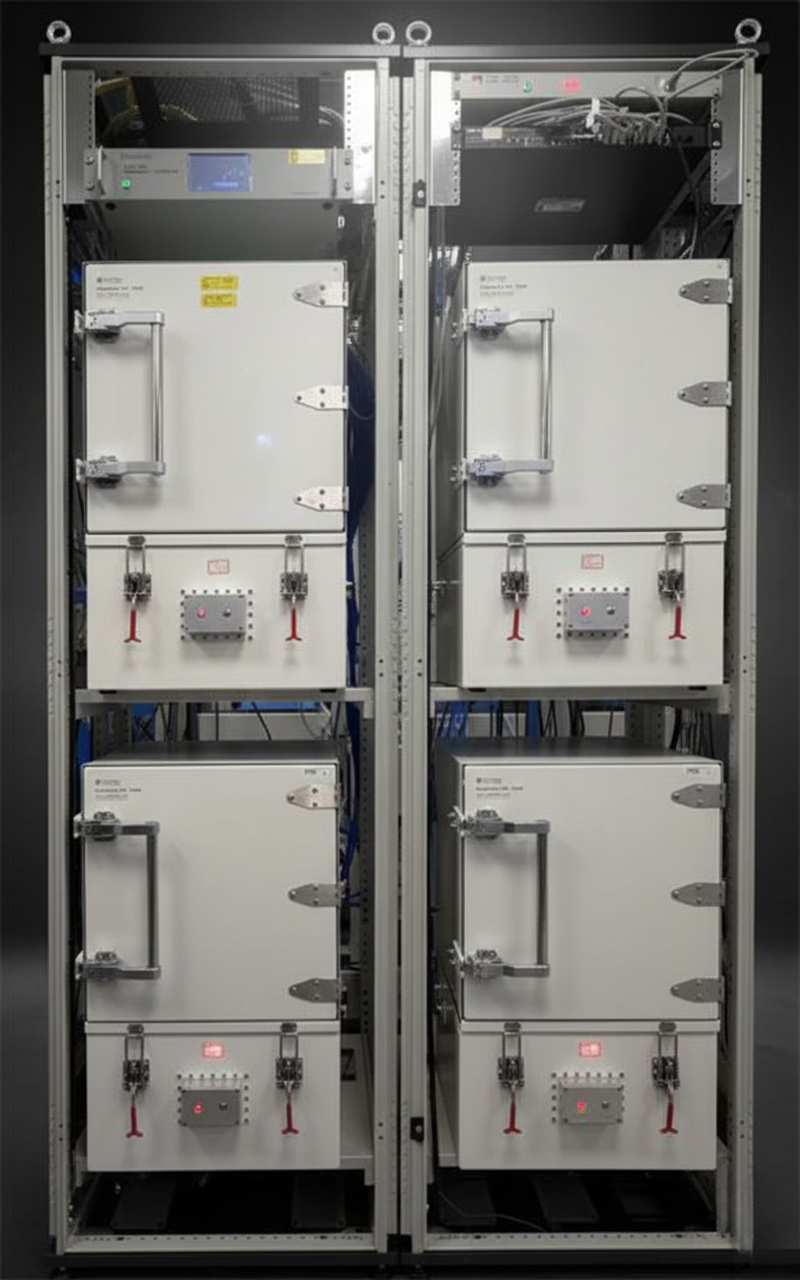
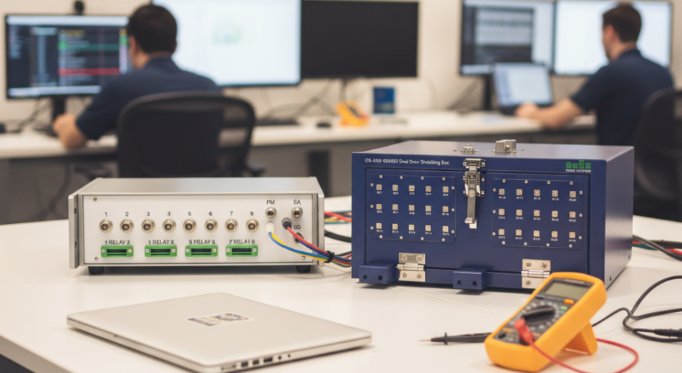
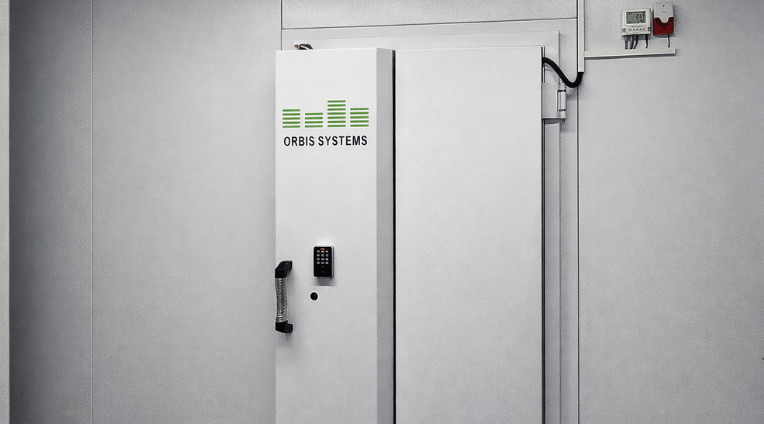
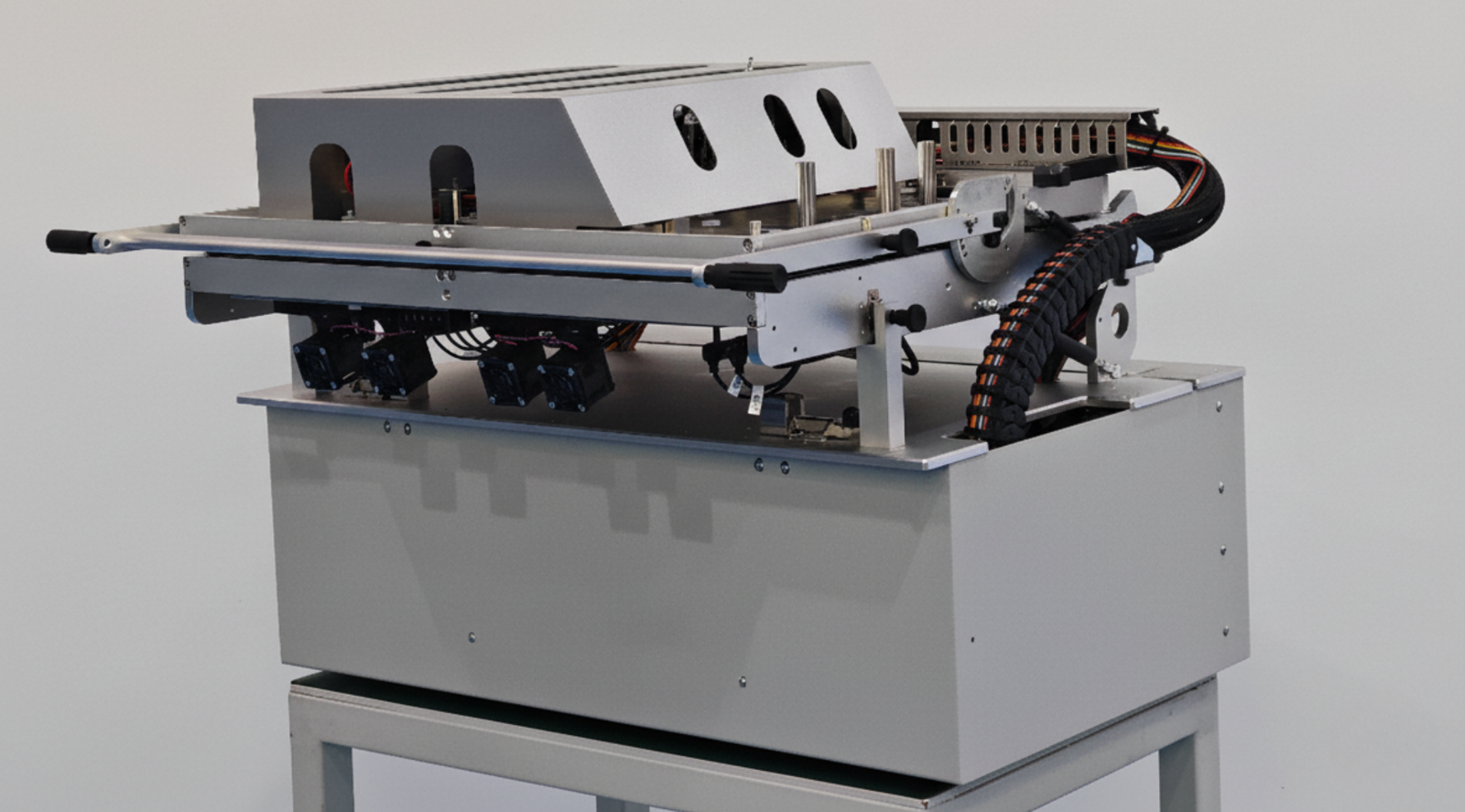
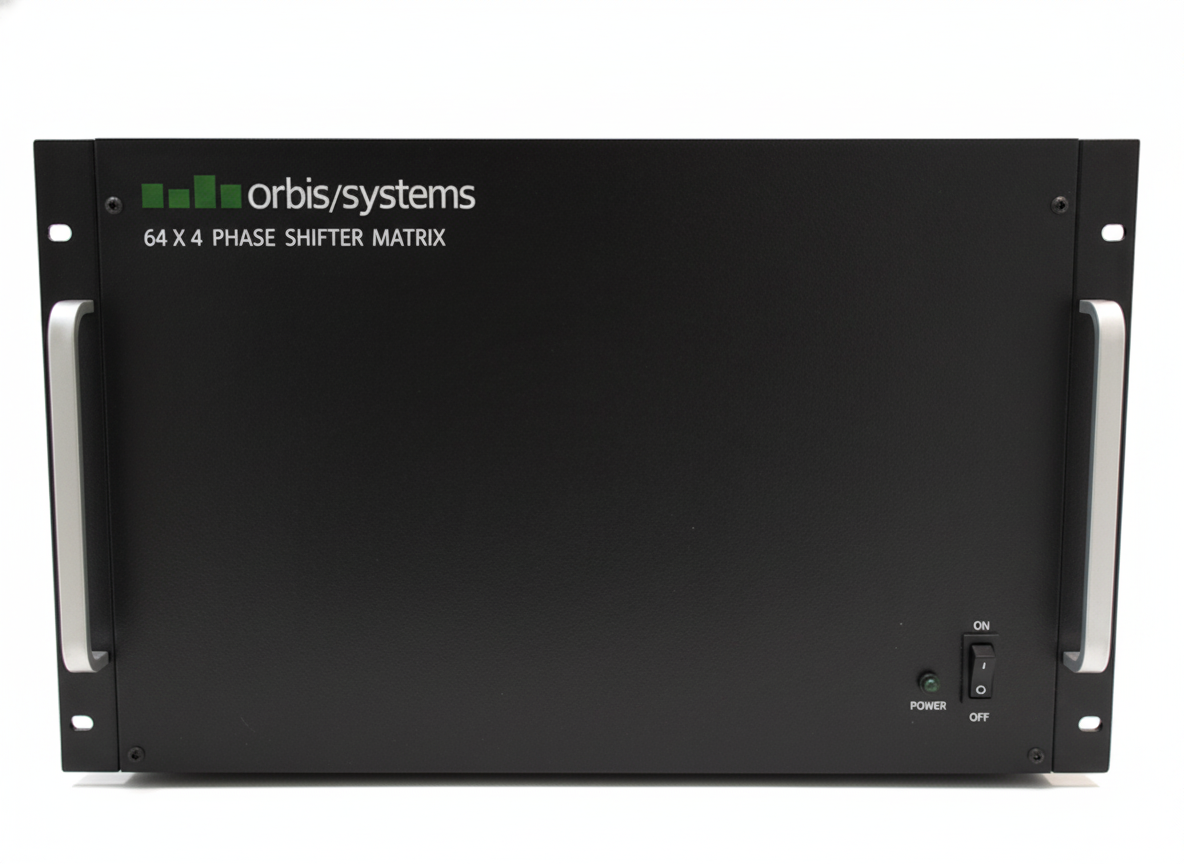
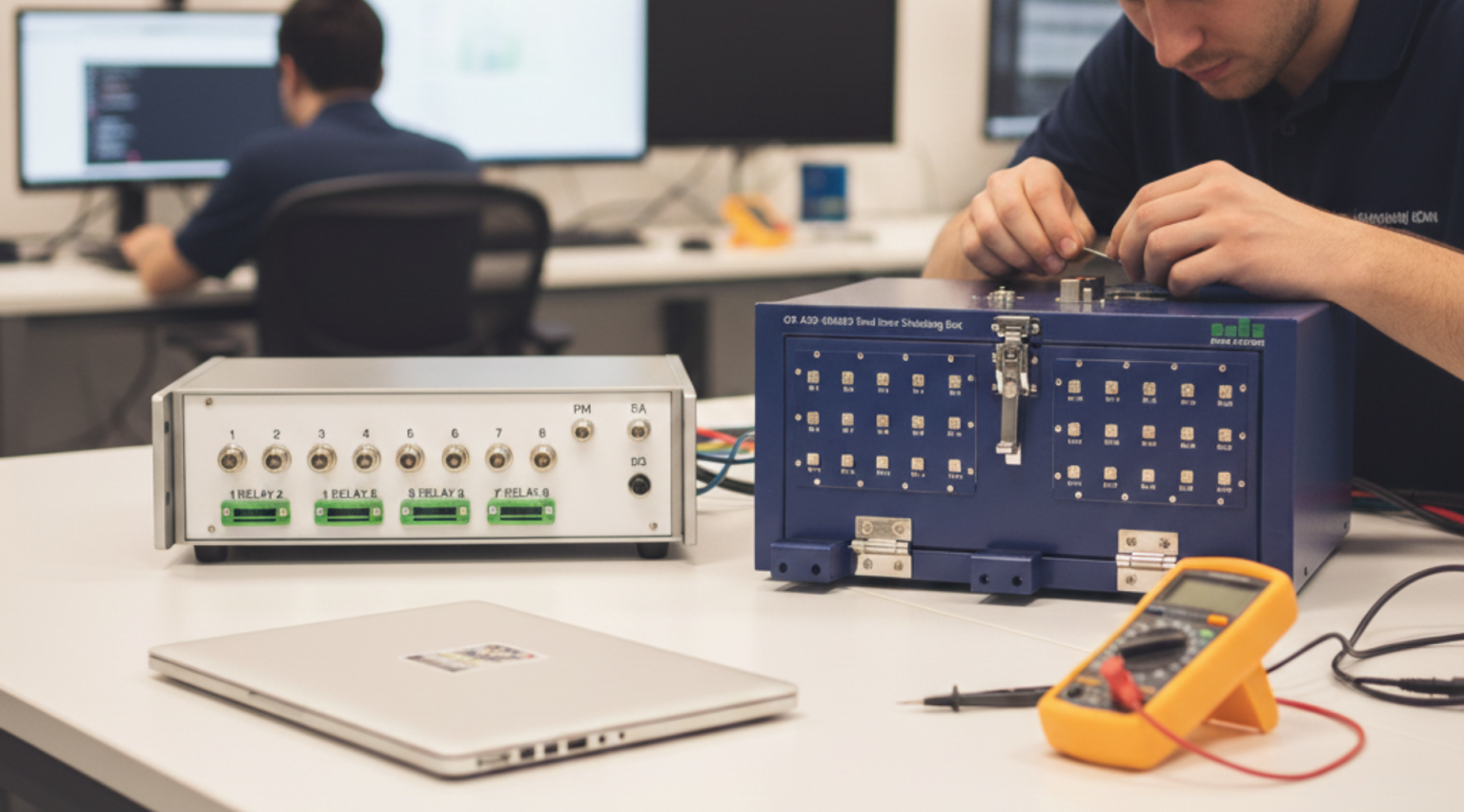
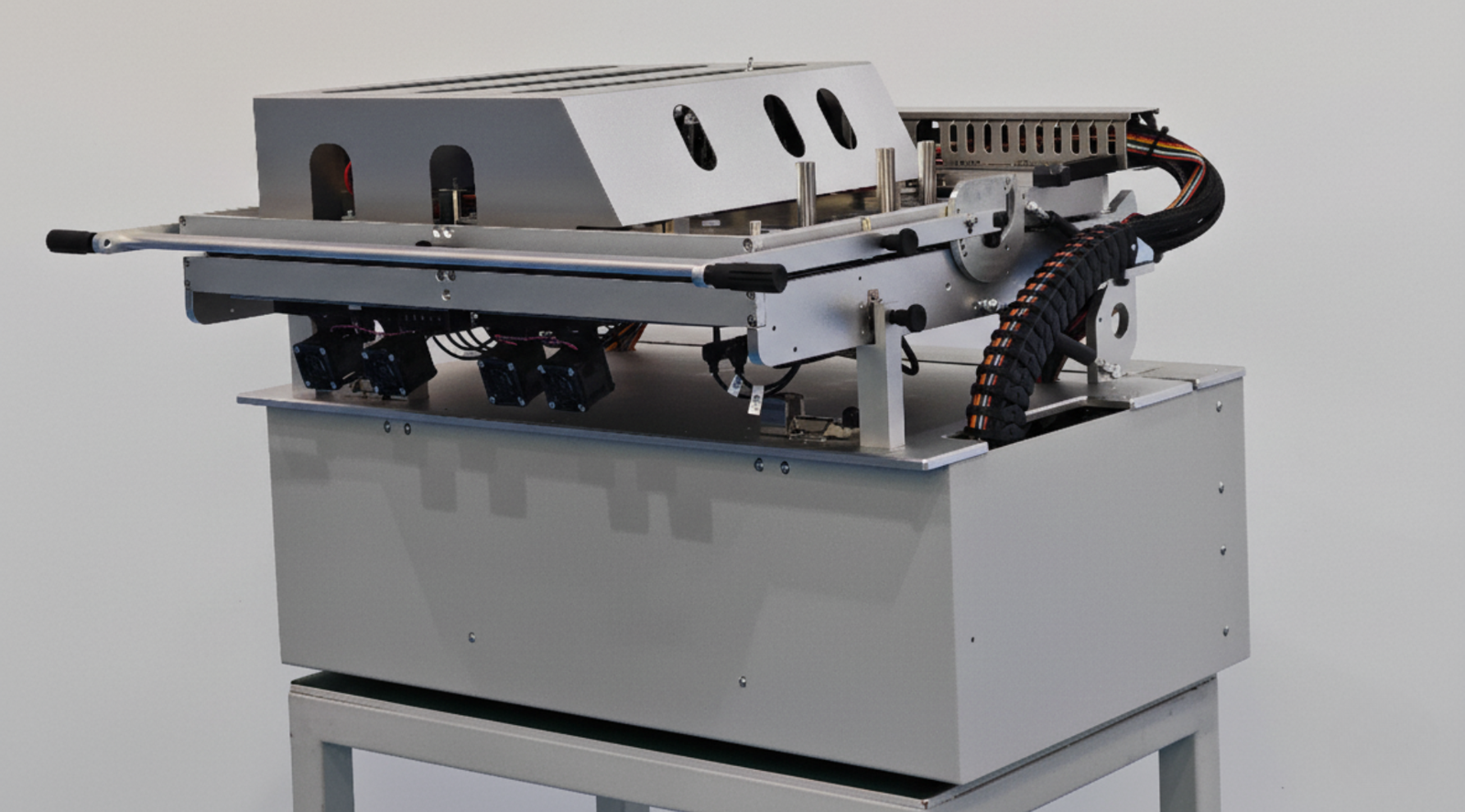
At Orbis Systems, we develop advanced solutions for mesh network testing that help manufacturers validate complex wireless communication systems with confidence. Our automated mesh test system is designed to support scalable, repeatable, and efficient testing of modern mesh networks. By enabling comprehensive mesh connectivity tests in a controlled RF environment, our solutions help improve testing accuracy, accelerate product validation, and ensure reliable wireless performance for Wi-Fi, IoT, enterprise networking, and other connected technologies.
Learn more about our Mesh Test System:
Frequently Asked Questions
What is mesh network testing?
Mesh network testing evaluates how multiple wireless nodes communicate, maintain stable connections, and perform together under different operating conditions.
What is a mesh connectivity test?
A mesh connectivity test verifies communication between mesh nodes while measuring roaming performance, stability, throughput, latency, and network resilience.
What is an automated mesh test system?
An automated mesh test system uses software-controlled workflows to execute repeatable wireless testing scenarios with minimal manual intervention.
Which industries benefit from mesh network testing?
Consumer electronics, enterprise networking, industrial IoT, automotive, telecommunications, and research laboratories all benefit from comprehensive mesh testing solutions.
Why is automated testing important for mesh networks?
Automation improves testing consistency, reduces engineering effort, accelerates product validation, and enables reliable evaluation of complex multi-node wireless environments.



Write a comment ...