
The automotive industry is rapidly moving toward a future where vehicles do much more than transport people. Connected vehicles are now expected to communicate with each other, roadside infrastructure, pedestrians, and cloud-based networks in real time. This communication, known as automotive V2X testing, plays a critical role in ensuring that connected vehicle technologies operate safely and reliably under real-world conditions.
To validate these advanced communication systems, manufacturers require highly accurate OTA testing environments. One of the most important components in these environments is the custom azimuth positioners that precisely rotate test devices during RF measurements. These systems help engineers simulate real driving scenarios, evaluate antenna performance from multiple angles, and generate repeatable testing results.
Whether developing passenger vehicles, autonomous platforms, or commercial fleets, investing in advanced positioning technology has become essential for reliable wireless validation.
Key Takeaways
Custom azimuth positioners enable accurate antenna rotation during automotive V2X testing.
They improve repeatability and measurement consistency in OTA testing.
Flexible positioning systems support multiple vehicle platforms and antenna configurations.
Automated movement reduces testing time while increasing data accuracy.
Custom solutions prepare automotive manufacturers for future wireless technologies.
Why Automotive V2X Testing Requires Precise Positioning
Modern vehicles often integrate multiple wireless technologies, including 5G, Wi-Fi, Bluetooth, GNSS, and C-V2X. Since these antennas operate simultaneously, engineers must verify their performance from every possible orientation before production.
Even a slight positioning error during testing can influence signal measurements, making accurate rotation systems essential. This is where custom azimuth positioners provide a significant advantage. They allow controlled 360-degree rotation while maintaining precise alignment between the antenna under test and measurement equipment.
As a result, engineers obtain reliable radiation patterns, gain measurements, and communication performance data that closely represent real-world driving conditions.
The Role of Custom Azimuth Positioners in OTA Testing
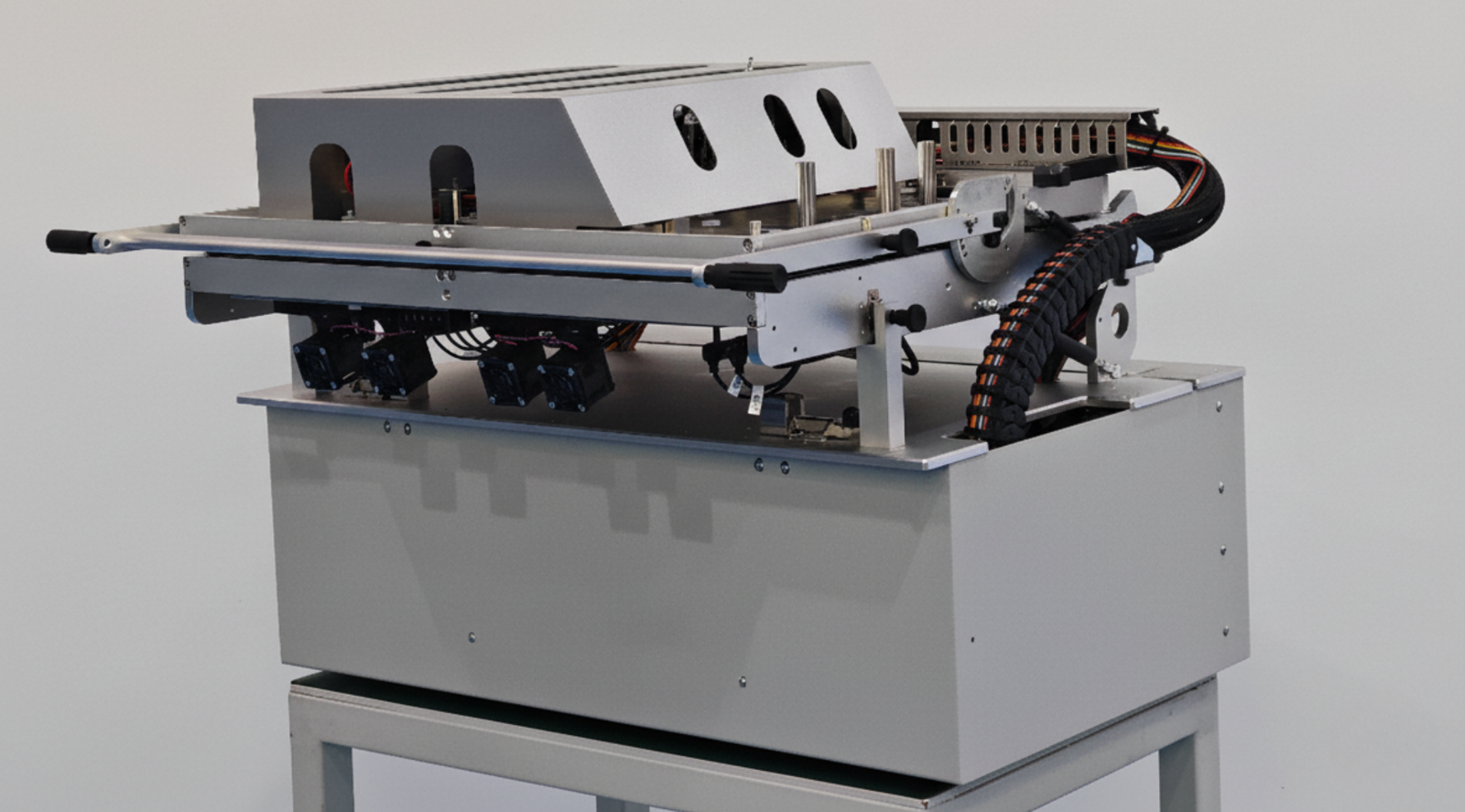
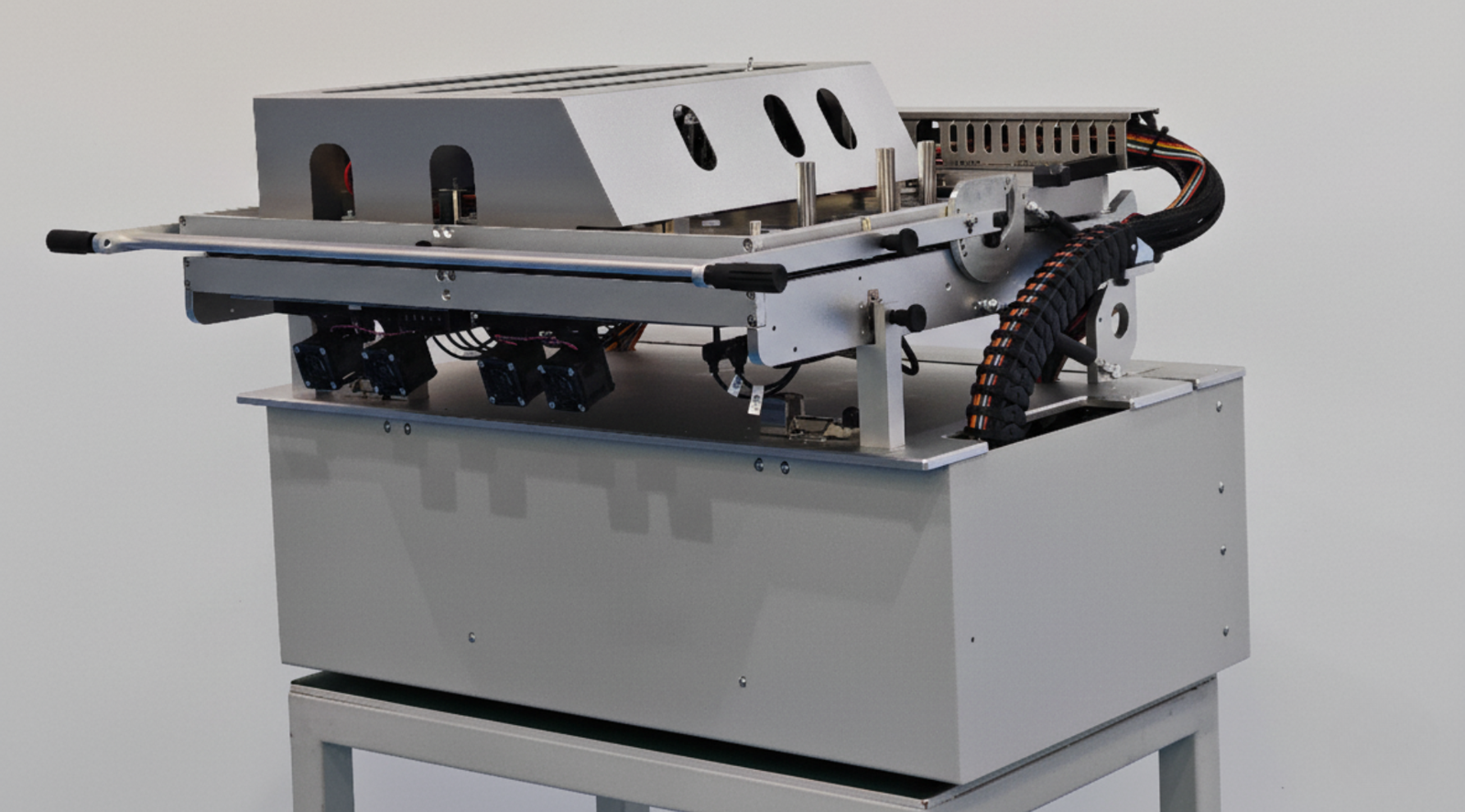
An azimuth positioner rotates the test object around its vertical axis inside an OTA chamber. During OTA testing, this movement enables engineers to analyze antenna performance across multiple angles without manually repositioning the device.
Unlike standard rotation systems, custom azimuth positioners are designed around specific testing requirements. They can accommodate different vehicle sizes, antenna locations, payload capacities, and automation needs.
Customization also improves compatibility with existing chamber layouts and measurement software, allowing laboratories to maximize testing efficiency while maintaining measurement accuracy.
Supporting Complex Automotive Antenna Configurations
Modern connected vehicles rarely rely on a single antenna. Instead, they include multiple integrated antenna systems distributed across different vehicle locations.
Testing these complex configurations requires an advanced antenna positioning system capable of handling varying dimensions and movement profiles.
Custom positioning solutions offer several advantages:
Smooth and vibration-free rotation
High payload capacity for complete vehicle components
Accurate positioning with repeatable motion
Programmable movement sequences
Seamless integration with automated measurement software
These capabilities allow engineers to evaluate wireless performance under realistic operating conditions while reducing human error.
Improving Measurement Accuracy with RF Positioning Systems
Reliable wireless validation depends on accurate mechanical movement. A high-quality RF positioning system minimizes unwanted motion, backlash, and alignment errors that could affect RF measurements.
Consistent positioning ensures that every measurement is performed under identical conditions, making test results easier to compare across multiple prototypes and production models.
Automated positioning also shortens overall testing cycles because engineers can execute predefined movement sequences without interrupting the measurement process.
This combination of accuracy and efficiency supports faster product development while maintaining compliance with industry testing requirements.
Customization for Different Automotive Testing Applications
Every automotive project has different testing objectives. Some laboratories evaluate complete vehicles, while others focus on individual modules or antenna assemblies.
Because of these differences, standardized positioning equipment may not always provide the flexibility required for advanced wireless testing.
Custom systems can be engineered for:
Passenger vehicles
Commercial vehicles
Autonomous vehicle platforms
Electric vehicles
Telematics control units
Roof-mounted antenna assemblies
This flexibility enables laboratories to support both current technologies and future communication standards without major equipment redesigns.
Preparing for Future Connected Vehicle Technologies
As wireless technologies continue evolving toward 5G Advanced and future 6G applications, testing environments must become increasingly adaptable.
Future vehicle platforms will demand greater antenna complexity, additional frequency bands, and more sophisticated communication protocols. Scalable RF testing solutions supported by intelligent positioning systems help manufacturers remain prepared for these changes.
By investing in configurable positioning equipment today, testing facilities can extend the lifespan of their infrastructure while supporting emerging automotive communication technologies.
Why Choose Orbis Systems?
Accurate positioning is the foundation of successful wireless validation. At Orbis Systems, we design advanced custom azimuth positioners tailored to meet the demanding requirements of modern automotive testing laboratories. Our solutions integrate seamlessly with OTA chambers and automated measurement systems, helping manufacturers achieve reliable, repeatable, and efficient automotive antenna testing for today's connected and future-ready vehicles.
Frequently Asked Questions
1. What are custom azimuth positioners?
Custom azimuth positioners are precision rotation systems designed to rotate antennas, devices, or vehicles during RF measurements. They are customized according to payload, movement accuracy, and testing requirements.
2. Why are custom azimuth positioners important for automotive V2X testing?
They enable accurate rotational positioning, helping engineers measure wireless communication performance from every direction while improving test repeatability.
3. How do OTA testing and azimuth positioners work together?
During OTA testing, the azimuth positioner rotates the test object inside the chamber while measurement equipment captures antenna radiation characteristics from multiple angles.
4. What is an RF positioning system?
An RF positioning system is a mechanical platform that accurately controls the orientation of antennas or devices during wireless performance testing to ensure reliable measurement results.
5. Can custom positioning systems support future wireless technologies?
Yes. Modern custom positioning solutions are designed to accommodate evolving communication standards, making them suitable for future automotive V2X, 5G Advanced, and upcoming wireless technologies.




Write a comment ...