
Wireless technologies continue to evolve at an unprecedented pace. From 5G networks and IoT devices to autonomous systems and advanced communication platforms, manufacturers face increasing pressure to ensure their products perform reliably in real-world environments. As we move through 2026, Over-the-Air (OTA) testing has become a critical part of product validation, helping organizations assess wireless performance without relying on direct cable connections.
However, achieving accurate OTA test results is not always straightforward. External radio frequency interference, signal reflections, and inconsistent testing environments can significantly impact measurement reliability. This is where RF isolation racks play an essential role. By creating controlled and shielded testing environments, these solutions help engineers generate repeatable, accurate, and industry-compliant OTA test results.
Organizations investing in next-generation wireless technologies are increasingly recognizing the value of effective RF isolation solutions to improve testing precision, accelerate product development, and maintain compliance with evolving standards.
Key Takeaways
Understand why OTA testing is critical for modern wireless devices.
Learn how RF isolation solutions improve test accuracy and consistency.
Discover the key features that support reliable wireless testing environments.
Explore best practices for selecting and implementing isolation systems.
Find answers to common questions about OTA testing and RF shielding.
Understanding Over-the-Air (OTA) Testing
OTA testing evaluates the wireless performance of devices by transmitting and receiving signals through antennas rather than physical cable connections. This testing approach provides a realistic assessment of how a device performs in actual operating conditions.
OTA testing is commonly used for:
Smartphones
IoT devices
Wi-Fi equipment
Bluetooth-enabled products
5G communication devices
Automotive connectivity systems
Medical wireless devices
Unlike conducted testing, OTA testing measures total system performance, including antenna efficiency, signal strength, radiation patterns, and overall wireless functionality.
As wireless technologies become more sophisticated, ensuring reliable OTA measurements has become increasingly important for manufacturers seeking regulatory approvals and customer confidence.
Why OTA Testing Faces Accuracy Challenges
Although OTA testing provides valuable real-world insights, several factors can compromise test accuracy.
External RF Interference
Wireless signals are everywhere. Nearby cellular towers, Wi-Fi networks, Bluetooth devices, and other communication systems can introduce unwanted interference into test environments.
Even minor interference can alter measurements and create misleading results.
Signal Reflections
Metal surfaces, equipment racks, walls, and testing instruments can reflect RF signals. These reflections may create multipath effects that distort performance measurements.
Environmental Variability
Testing in uncontrolled environments often produces inconsistent outcomes. A device tested in one location may show different results when tested elsewhere due to environmental factors.
Increasing Complexity of Wireless Devices
Modern devices often support multiple frequency bands, antenna configurations, and communication protocols. Testing these systems requires highly controlled environments to ensure meaningful results.
Without proper isolation, engineers may struggle to differentiate actual device performance from environmental influences.
The Role of RF Isolation Racks in OTA Testing
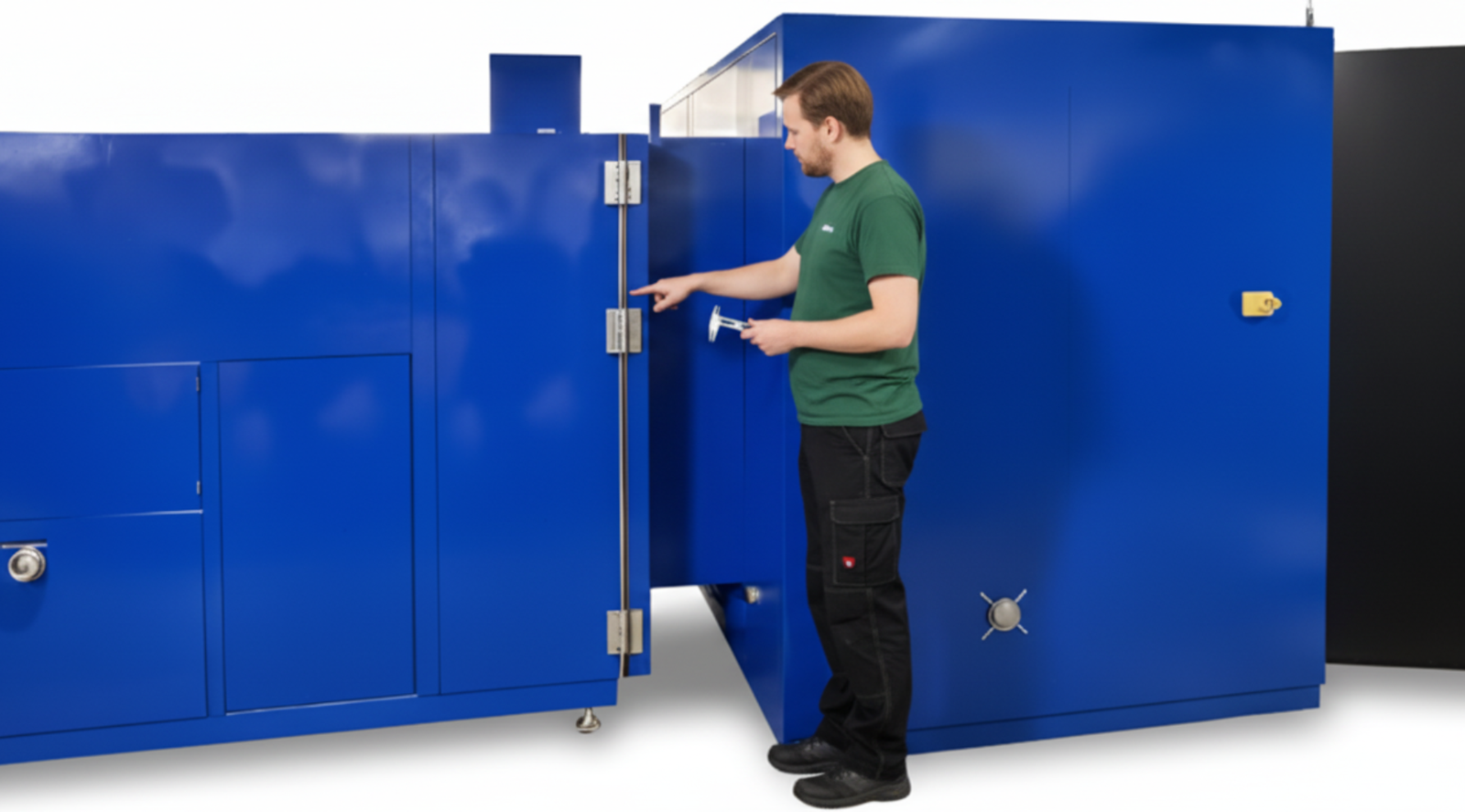
To overcome these challenges, manufacturers rely on RF isolation racks to create controlled testing environments.
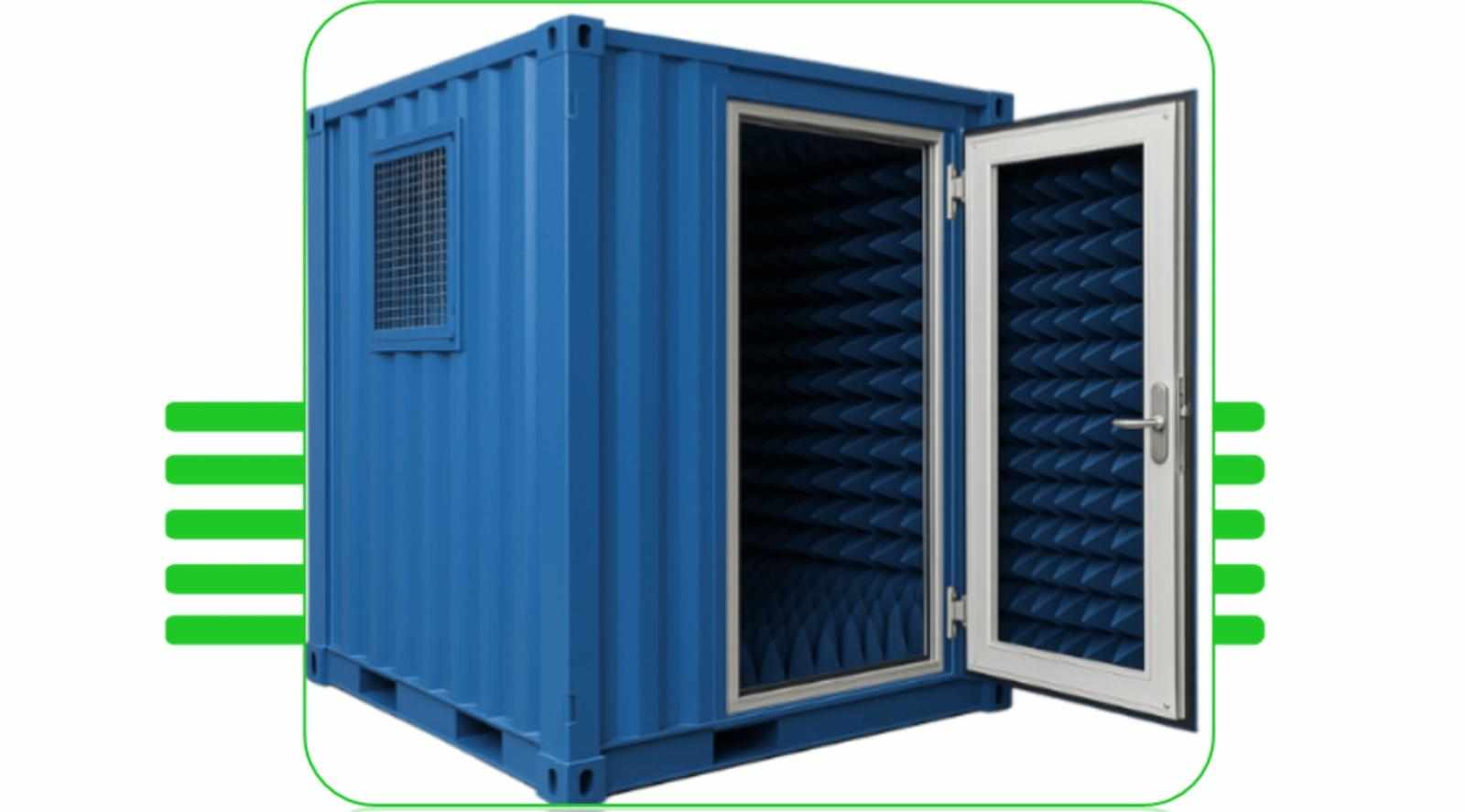
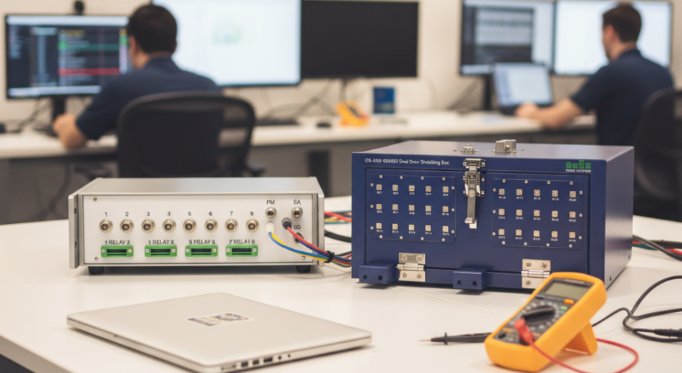
These specialized systems are designed to shield devices from external electromagnetic interference while minimizing signal leakage and unwanted reflections.
By isolating the test environment from surrounding RF activity, engineers can focus exclusively on the performance of the device under evaluation.
The result is more accurate, repeatable, and reliable OTA testing.
How RF Isolation Racks Improve Testing Reliability
Enhanced Signal Integrity
One of the primary benefits of RF isolation racks is their ability to maintain signal purity during testing.
By blocking external RF sources, isolation racks help ensure that measurements reflect actual device performance rather than environmental noise.
This level of signal integrity is essential for validating wireless communication systems operating across multiple frequency bands.
Consistent and Repeatable Results
Repeatability is a key requirement in product testing.
Engineers must be able to perform the same test multiple times and obtain consistent outcomes. Isolation racks provide controlled conditions that reduce variability and improve confidence in test data.
This consistency is especially important during product development, certification, and quality assurance processes.
Improved Regulatory Compliance
Wireless devices must comply with strict industry standards before entering the market.
Accurate OTA testing supports compliance with regulatory requirements established by organizations such as:
FCC
ETSI
3GPP
CTIA
Using controlled testing environments helps organizations demonstrate compliance with confidence while reducing the risk of costly certification delays.
Faster Product Development
Unreliable testing environments often lead to repeated testing cycles and troubleshooting efforts.
When engineers can trust their measurement data, they can identify design issues more quickly and move products through development stages faster.
This contributes to shorter time-to-market and improved project efficiency.
Key Features That Support Effective OTA Testing
Not all isolation solutions are created equal. Organizations should evaluate several critical features when selecting testing equipment.
High Shielding Effectiveness
A quality isolation rack should provide strong attenuation across relevant frequency ranges.
Effective shielding minimizes interference and protects test integrity.
Modular Design
Modern testing requirements evolve rapidly.
Modular systems allow organizations to adapt testing environments as technologies change without replacing entire infrastructures.
Cable Management Integration
OTA testing often involves multiple instruments and measurement devices.
Integrated cable management helps maintain shielding performance while improving operational efficiency.
Ventilation and Thermal Control
Wireless devices generate heat during testing.
Proper ventilation systems ensure stable operating conditions without compromising RF isolation performance.
Accessibility and Ergonomics
Engineers need easy access to test devices while maintaining isolation integrity.
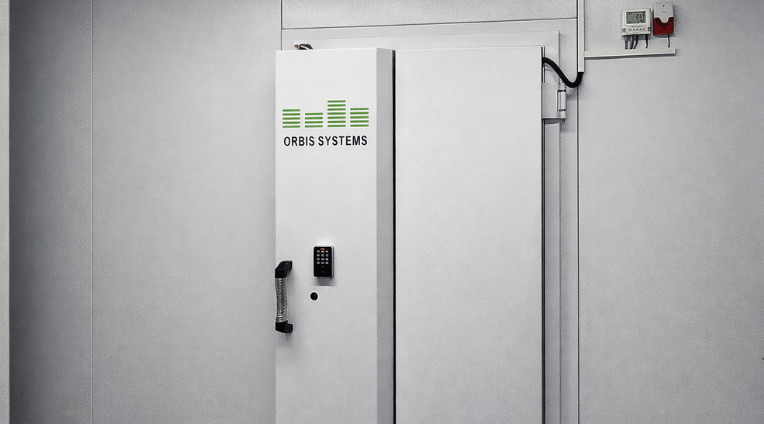
Well-designed racks include secure doors, observation windows, and efficient workflow features that support productivity.
Industries Benefiting from RF Isolation Solutions
Reliable OTA testing is essential across numerous industries.
Telecommunications
Network equipment manufacturers rely on isolation environments to validate cellular and wireless communication devices.
Consumer Electronics
Smartphones, tablets, wearables, and smart home devices require accurate OTA testing to ensure optimal wireless performance.
Automotive
Connected vehicles use multiple wireless technologies for navigation, communication, and safety systems.
Isolation solutions help validate these complex communication networks.
Aerospace and Defense
Mission-critical communication systems demand highly accurate RF performance measurements.
Controlled testing environments help ensure reliability under demanding conditions.
Healthcare
Wireless medical devices must meet strict performance and regulatory requirements.
Accurate OTA testing helps protect patient safety while supporting compliance efforts.
Best Practices for Implementing OTA Testing Environments
Organizations can maximize testing effectiveness by following several best practices.
Define Testing Objectives Early
Understanding testing goals helps determine the appropriate isolation requirements and equipment specifications.
Evaluate Frequency Requirements
Different applications operate across different frequency ranges.
Ensure the selected solution supports current and future testing needs.
Regularly Verify Shielding Performance
Routine inspections and performance checks help maintain consistent testing accuracy over time.
Train Technical Teams
Even advanced equipment requires proper operation.
Investing in staff training helps maximize testing efficiency and data reliability.
Plan for Future Expansion
Wireless technologies continue to evolve rapidly.
Scalable testing solutions help organizations accommodate future requirements without major infrastructure changes.
Common Mistakes to Avoid
Organizations sometimes encounter challenges when implementing OTA testing environments.
Common mistakes include:
Selecting insufficient shielding levels
Ignoring future frequency requirements
Overlooking environmental factors
Neglecting maintenance schedules
Using inconsistent testing procedures
Avoiding these issues can significantly improve testing reliability and long-term operational efficiency.
Strengthen Your OTA Testing Strategy with Advanced RF Isolation Solutions
As wireless technologies become more complex, accurate OTA testing is no longer optional—it is a critical requirement for product quality, compliance, and market success. Organizations that invest in reliable testing environments can improve measurement accuracy, reduce development cycles, and build greater confidence in product performance.
Industry leaders such as Orbis Systems continue to support innovation in wireless testing by providing advanced RF isolation solutions designed to meet the evolving needs of telecommunications, aerospace, defense, automotive, and electronics manufacturers. By adopting proven testing technologies, organizations can position themselves for long-term success in an increasingly connected world.
Frequently Asked Questions
What is the primary purpose of RF isolation racks in OTA testing?
The primary purpose is to create a shielded environment that prevents external RF interference from affecting wireless performance measurements. This ensures more accurate and repeatable test results.
How do RF isolation racks improve wireless device testing?
They reduce interference, minimize signal leakage, and create controlled testing conditions. This allows engineers to evaluate device performance with greater confidence and precision.
Are RF isolation racks necessary for 5G testing?
Yes. 5G devices operate across multiple frequency bands and require highly accurate measurements. Isolation solutions help ensure reliable testing while supporting regulatory compliance.
Can RF isolation racks support IoT device validation?
Absolutely. IoT devices rely heavily on wireless connectivity. Controlled OTA testing environments help verify communication performance, antenna efficiency, and signal reliability.
What factors should organizations consider when choosing an RF isolation rack?
Key considerations include shielding effectiveness, frequency coverage, modularity, thermal management, accessibility, and future scalability.
How often should isolation systems be inspected?
Regular inspections and performance verification should be conducted according to operational requirements and manufacturer recommendations to maintain testing accuracy.




Write a comment ...