
In today’s rapidly evolving wireless ecosystem, electromagnetic interference (EMI) has become one of the most critical challenges for engineers, researchers, and testing laboratories. As devices become smaller, faster, and more interconnected in 2026, the risk of unwanted signal disruption continues to rise across industries like telecommunications, automotive electronics, defense systems, and IoT development.
From 5G antenna validation to advanced radar testing, even minor EMI disturbances can lead to inaccurate measurements, failed compliance tests, or unreliable product performance in real-world environments. This is where controlled testing environments become essential. Modern engineering relies heavily on highly controlled environments such as an RF Isolation Chamber, which helps eliminate external noise and ensures clean, repeatable results.
With increasing demand for precision and regulatory compliance, understanding EMI and its relationship with isolation technologies is no longer optional—it’s a necessity for engineering success.
Key Takeaways
EMI is a major cause of signal distortion in RF and wireless systems
Controlled environments are essential for accurate RF testing and validation
An RF Isolation Chamber helps eliminate external electromagnetic noise
Proper shielding improves reliability, compliance, and measurement accuracy
Selecting the right isolation setup can significantly improve test efficiency
Understanding EMI: Why It Matters in Modern Wireless Systems
Electromagnetic interference (EMI) refers to unwanted disturbances that affect an electrical circuit due to electromagnetic radiation from external or internal sources. These disturbances can originate from nearby electronic devices, power lines, wireless transmitters, or even industrial machinery.
In RF engineering, EMI is particularly problematic because it directly affects signal clarity, phase accuracy, and measurement consistency. For example, during antenna testing or wireless protocol validation, even minor interference can distort results and lead to incorrect conclusions.
As technologies like 5G, Wi-Fi 6E, and satellite communication expand, EMI control has become a core requirement in product design and testing environments.
The Growing Need for Controlled RF Testing Environments
Modern RF systems operate in increasingly dense frequency environments. This means multiple devices often operate simultaneously in overlapping frequency ranges. Without proper isolation, test results can become unreliable and inconsistent.
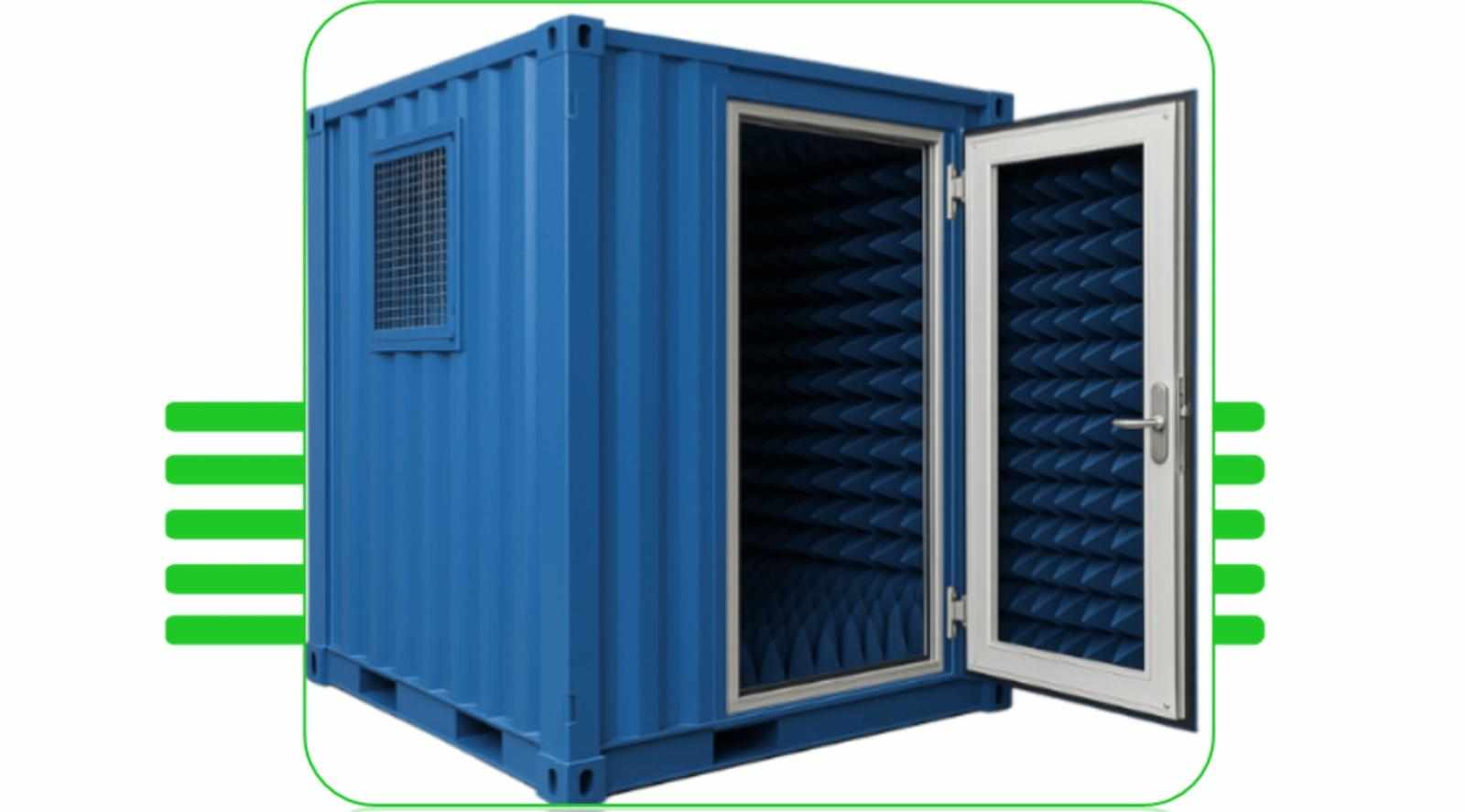
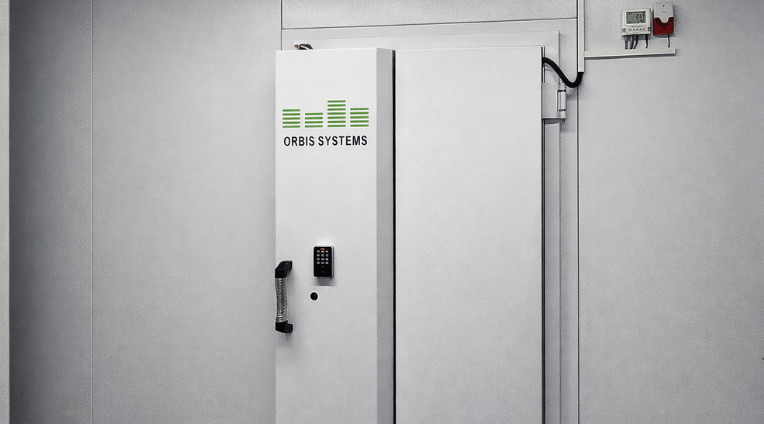
Testing labs today must replicate real-world conditions while also eliminating uncontrolled variables. This is where engineered shielding environments come into play. A properly designed RF Isolation Chamber provides a controlled space where external electromagnetic signals are blocked, allowing engineers to focus only on the device under test.
This level of control is especially important for:
5G antenna beamforming validation
IoT device interference testing
Automotive radar calibration
Aerospace and defense communication systems
How RF Isolation Chamber Helps Eliminate EMI
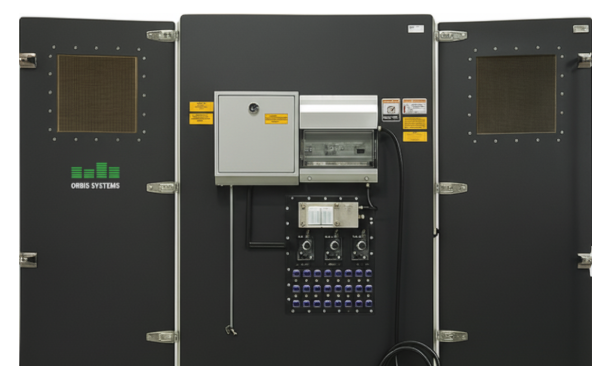
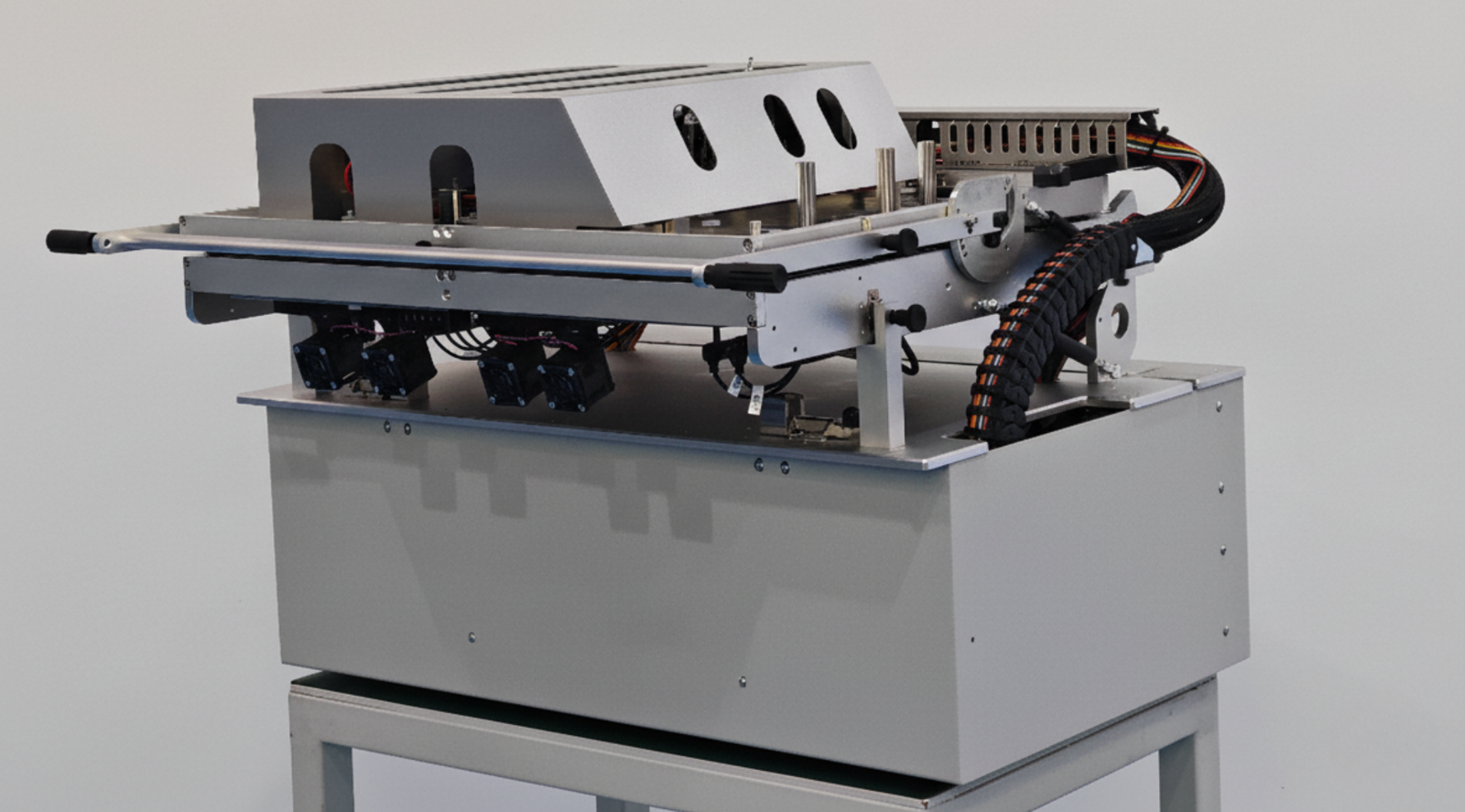
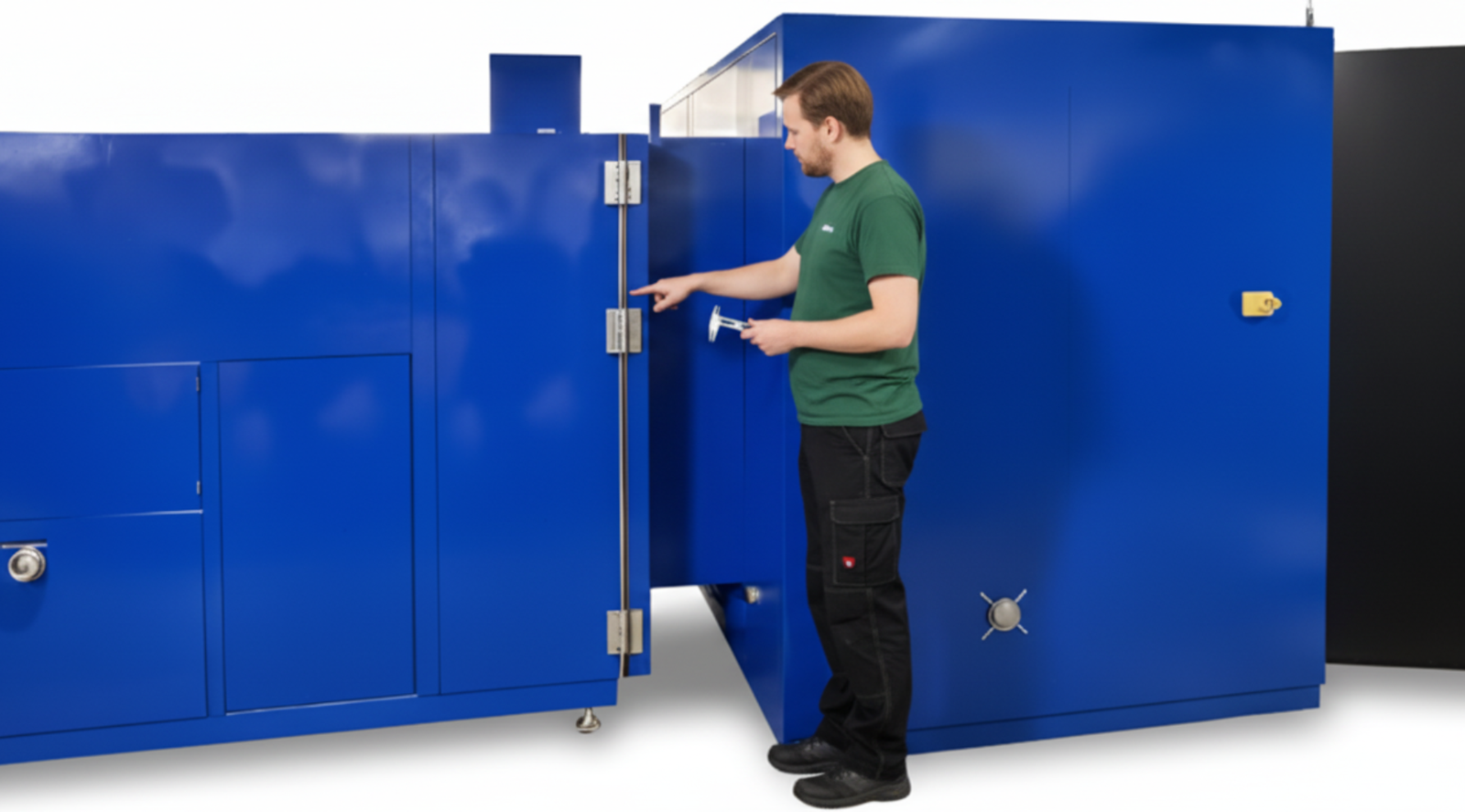
At its core, an RF isolation chamber is designed to create a shielded environment that blocks external RF signals while preventing internal signals from leaking out. This dual protection ensures complete electromagnetic isolation.
By eliminating external noise, engineers can:
Achieve higher measurement accuracy
Reduce testing variability
Improve repeatability of experiments
Ensure compliance with global RF standards
In practical applications, the chamber acts as a “clean RF environment,” allowing devices to be tested under controlled and predictable conditions.
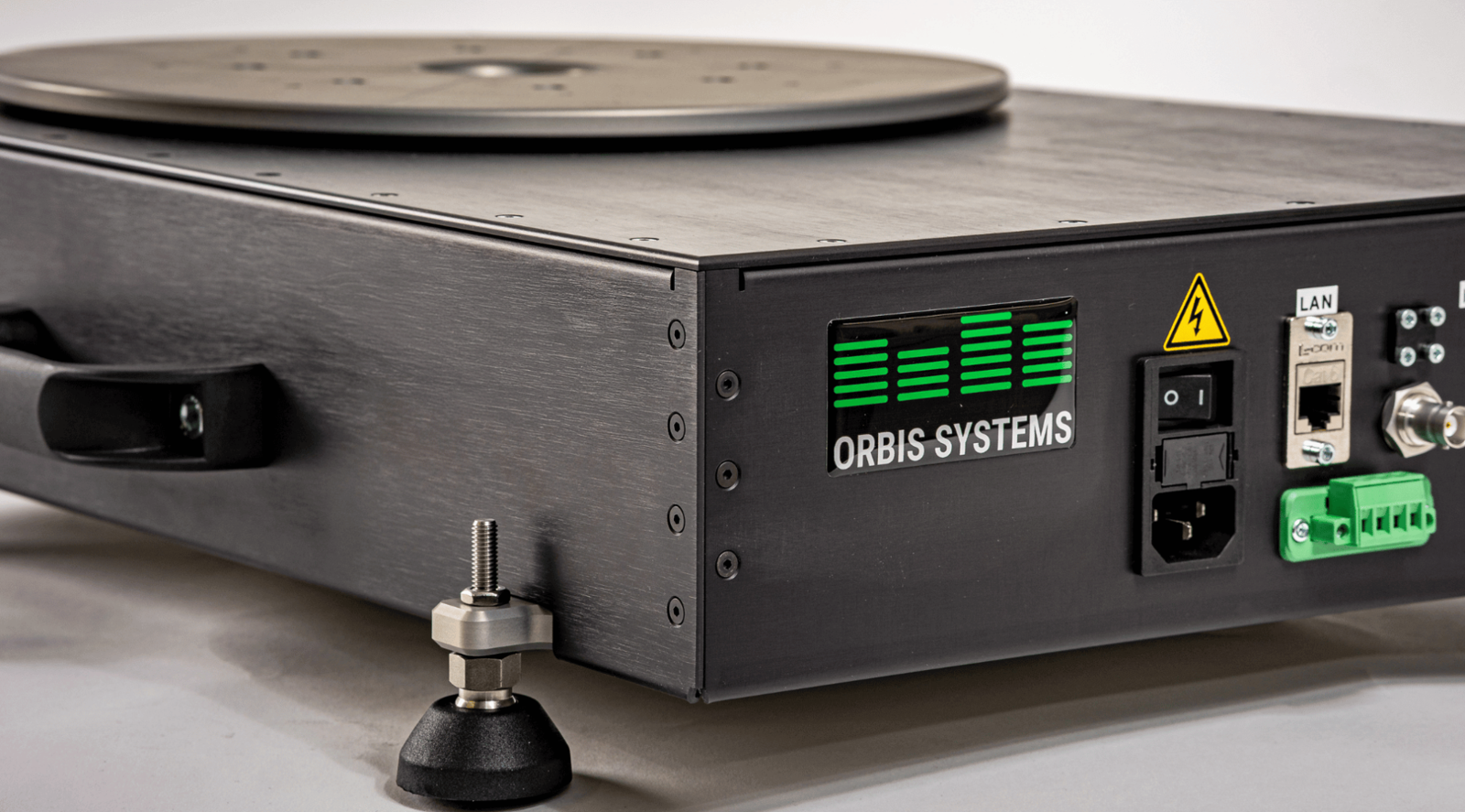
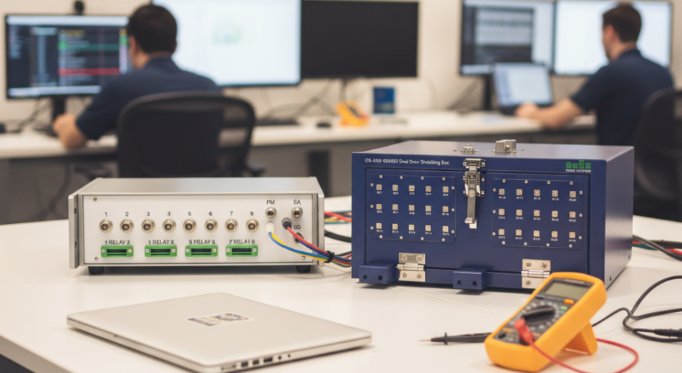
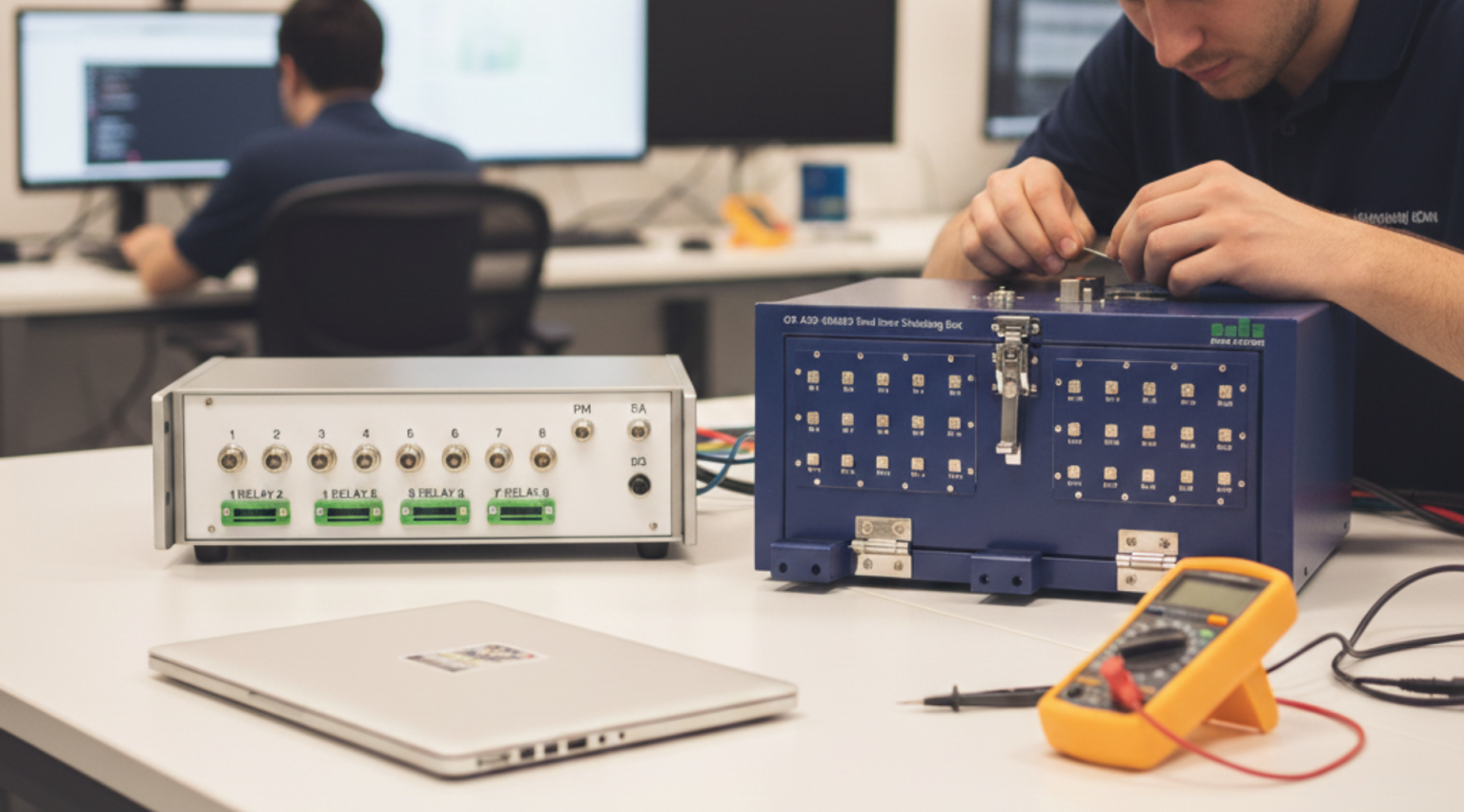
A modern RF Isolation Chamber also supports integration with advanced testing systems such as automated antenna positioning setups, signal analyzers, and beamforming test equipment. This makes it a central component in next-generation RF labs.
Key Benefits of RF Isolation in Engineering and Testing
1. Improved Signal Accuracy
By removing external interference, engineers can measure true device performance without distortion.
2. Enhanced Compliance Testing
Regulatory standards require highly accurate RF measurements, which are only possible in controlled environments.
3. Better Product Reliability
Devices tested in isolation perform more consistently in real-world environments.
4. Reduced Testing Errors
Eliminating EMI reduces variability and improves repeatability across multiple test cycles.
5. Faster Development Cycles
Accurate early-stage testing reduces redesign iterations and accelerates time-to-market.
Practical Challenges Without Proper Isolation
Without a controlled RF environment, engineers often face multiple challenges:
Inconsistent test results due to external RF noise
Difficulty in identifying root causes of signal distortion
Increased cost due to repeated testing cycles
Delays in product certification and approvals
Limited ability to simulate real-world scenarios accurately
These issues highlight why investing in a well-designed RF shielding environment is critical for modern engineering teams.
Best Practices for Implementing RF Isolation Solutions
When setting up or selecting an isolation system, organizations should consider the following:
Define Testing Requirements Clearly
Understand the frequency range, device type, and testing objectives before selecting a system.
Ensure Proper Shielding Performance
The effectiveness of an isolation system depends on its ability to block unwanted frequencies consistently.
Integrate with Automation Systems
Modern RF testing benefits significantly from automation in positioning, measurement, and data collection.
Regular Calibration and Maintenance
Even the best systems require periodic validation to ensure continued performance accuracy.
Consider Scalability
As RF technologies evolve, testing environments should support future upgrades and expanded capabilities.
A properly designed RF Isolation Chamber should not only meet current requirements but also support future RF testing demands.
Moving Toward More Accurate and Future-Ready RF Testing
As wireless systems continue to evolve, precision in testing environments becomes a defining factor for innovation and product success. Understanding EMI and implementing proper isolation strategies is no longer just a technical advantage—it is a necessity for staying competitive in 2026 and beyond.
A well-engineered RF testing setup built around an RF Isolation Chamber ensures engineers can confidently validate performance, reduce errors, and accelerate development cycles in increasingly complex RF ecosystems.
Organizations looking to enhance their RF testing capabilities can explore advanced, high-performance solutions from Orbis Systems, a trusted name in delivering innovative testing infrastructure designed for modern wireless and telecom applications.
FAQ: Understanding EMI and RF Isolation Chambers
What is EMI in RF testing?
EMI (Electromagnetic Interference) is unwanted electromagnetic noise that disrupts signal transmission and affects measurement accuracy in RF systems. It can originate from external devices or internal system components.
Why is an RF isolation chamber important?
An RF isolation chamber is important because it eliminates external electromagnetic noise, ensuring accurate, repeatable, and reliable RF testing results across various wireless applications.
How does an RF isolation chamber improve testing accuracy?
By blocking external RF signals and preventing internal leakage, the chamber creates a controlled environment where only the device under test influences the results, improving measurement precision.
What industries use RF isolation chambers?
Industries such as telecommunications, automotive, aerospace, defense, and IoT development rely heavily on isolation chambers for testing and validation of RF systems.
Can RF isolation chambers be used for 5G testing?
Yes, they are widely used in 5G development for antenna testing, beamforming validation, and network performance analysis under controlled conditions.
What should I consider before choosing an RF isolation chamber?
Key factors include shielding effectiveness, frequency range support, integration capabilities, scalability, and compatibility with existing RF testing equipment.

Write a comment ...