
As wireless technologies continue to evolve rapidly in 2026, the demand for accurate, repeatable, and efficient testing solutions has never been higher. From 5G and IoT devices to automotive connectivity systems, ensuring consistent RF performance is critical for product success. This is where RF Test Fixtures play a vital role.
RF testing environments are becoming more complex, with higher frequencies, tighter tolerances, and faster production cycles. Manufacturers and testing labs now require solutions that not only deliver precision but also streamline workflows. RF Test Fixtures bridge this gap by providing stable, repeatable connections between devices under test and measurement equipment—making them an essential component in modern RF validation processes.
Did You Know?
According to industry insights published by Microwave Journal, RF test fixtures are essential interfaces that connect devices under test with measurement systems, especially as modern RF components become smaller and more complex.
Key Takeaways
RF test fixtures ensure accurate and repeatable RF measurements.
They simplify complex testing setups and improve efficiency.
Proper fixture design directly impacts product quality and reliability.
Choosing the right fixture can reduce testing time and operational costs.
Customization is often key for meeting specific RF testing requirements.
What Are RF Test Fixtures?
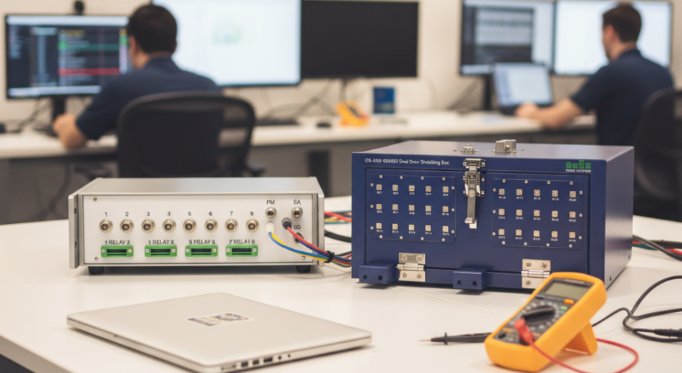
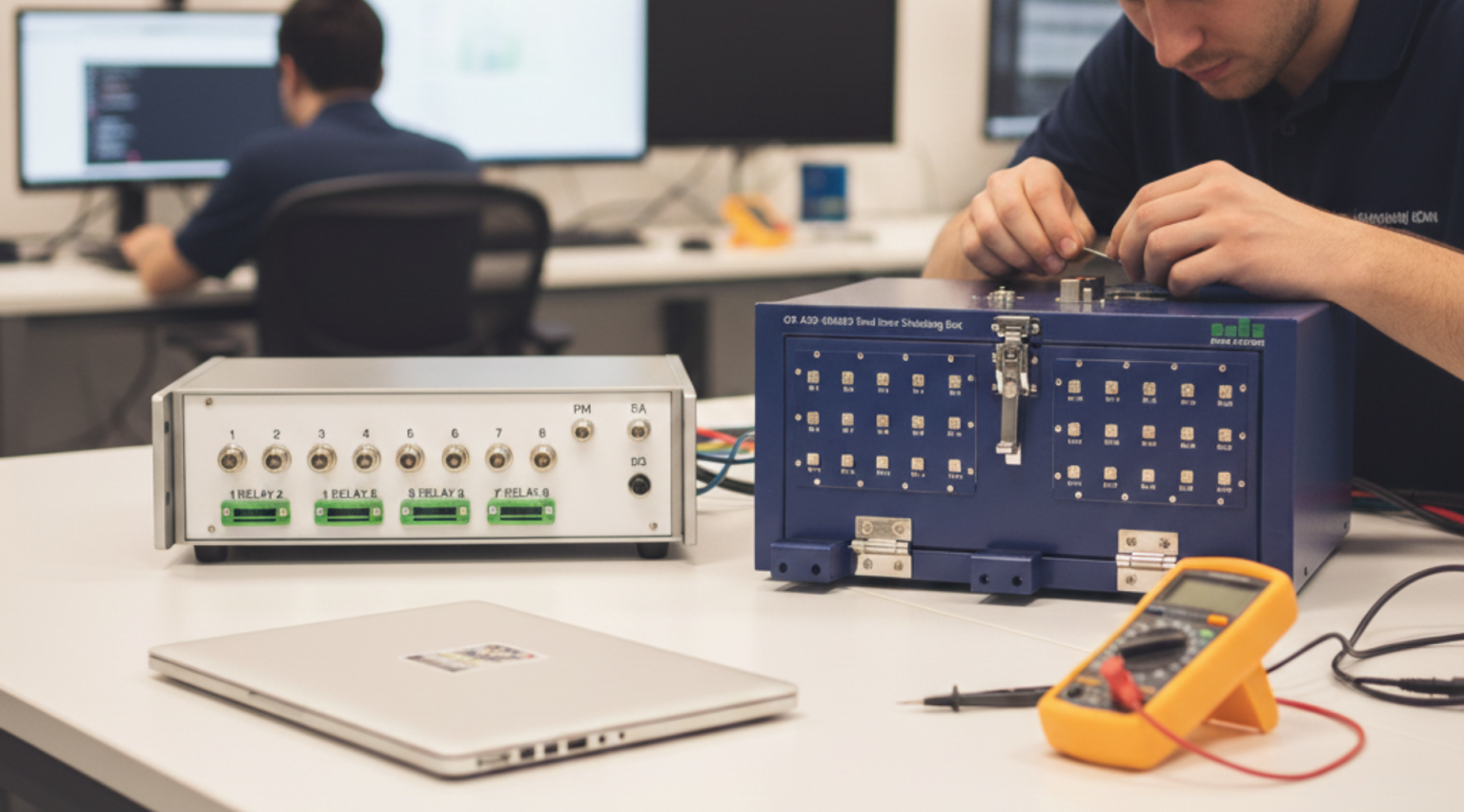
RF Test Fixtures are specialized tools used to securely connect a device under test (DUT) to RF measurement instruments such as network analyzers or spectrum analyzers. They are designed to maintain signal integrity while minimizing losses, reflections, and interference.
These fixtures act as a controlled interface, ensuring that the test environment remains consistent across multiple test cycles. This consistency is crucial, especially in high-frequency applications where even small variations can impact results.
Why RF Test Fixtures Matter in Modern Testing
In today’s fast-paced development cycles, testing accuracy cannot be compromised. Without proper fixtures, engineers may face inconsistent results, signal degradation, and increased debugging time.
RF testing is highly sensitive to environmental factors such as impedance mismatches and electromagnetic interference. A well-designed fixture eliminates these issues, enabling reliable data collection. As wireless standards continue to advance, the role of RF fixtures becomes even more critical in maintaining performance benchmarks.
Key Features of Effective RF Test Fixtures
Understanding what makes a high-quality fixture can help organizations make better decisions.
Precision Engineering
Accurate alignment and tight tolerances ensure minimal signal loss and repeatable connections.
High-Frequency Compatibility
Modern fixtures are designed to support a wide range of frequencies, including millimeter-wave applications.
Durability and Reliability
Frequent testing requires fixtures that can withstand repeated use without performance degradation.
Custom Design Capability
Different devices require different testing setups. Custom fixtures allow flexibility to meet specific requirements.
Common Challenges in RF Testing
Despite their advantages, implementing RF fixtures comes with challenges.
One major issue is maintaining signal integrity at higher frequencies. Even minor design flaws can introduce reflections or losses. Another challenge is adapting fixtures for different device types, especially in industries like IoT where form factors vary widely.
Additionally, balancing cost and performance can be difficult. While high-end fixtures offer superior accuracy, they may not always be cost-effective for smaller operations.
Benefits of Using RF Test Fixtures
When implemented correctly, RF Test Fixtures offer several advantages.
They improve measurement accuracy by providing stable connections and minimizing external interference. This leads to more reliable test results and faster validation cycles.
They also enhance productivity by simplifying setup processes. Engineers can quickly connect and test devices without complex configurations, saving valuable time.
Furthermore, fixtures help reduce long-term costs by minimizing errors, rework, and equipment wear.
Best Practices for Selecting the Right RF Test Fixture
Choosing the right fixture requires careful evaluation of your testing needs.
Start by identifying the frequency range and performance requirements of your application. Ensure that the fixture supports these specifications without compromising accuracy.
Consider the type of devices you will be testing. Custom fixtures may be necessary for unique designs or high-volume production environments.
It’s also important to evaluate build quality and material selection. High-quality materials improve durability and signal performance.
Finally, work with experienced providers who understand RF testing challenges and can offer tailored solutions.
How to Optimize RF Test Fixture Performance
To get the most out of your fixtures, regular maintenance and calibration are essential.
Keep connectors clean and free from damage to maintain signal integrity. Periodically inspect the fixture for wear and tear, especially in high-usage environments.
Calibration ensures that measurements remain accurate over time. This is particularly important in industries where compliance and precision are critical.
Additionally, proper training for engineers and technicians can significantly improve testing efficiency and reduce errors.
Applications Across Industries
RF fixtures are widely used across various sectors.
In telecommunications, they support testing of 5G devices and infrastructure. In automotive industries, they help validate connected vehicle systems and radar technologies.
They are also essential in IoT development, where diverse device designs require flexible testing solutions. Aerospace and defense sectors rely on RF fixtures for mission-critical communication systems.
Ready to Enhance Your RF Testing Capabilities?
As wireless technologies continue to evolve, investing in the right testing tools is essential for staying competitive. RF Test Fixtures provide the accuracy, efficiency, and reliability needed to meet modern testing demands.
If you’re looking to upgrade your RF testing setup with advanced, customized solutions, Orbis Systems offers industry-leading expertise in test system design and automation. With a focus on precision, innovation, and performance, Orbis Systems helps organizations achieve consistent and reliable testing outcomes in even the most complex environments.
Frequently Asked Questions (FAQs)
1. What is the primary purpose of RF test fixtures?
The main purpose of RF test fixtures is to provide a stable and repeatable connection between the device under test and measurement equipment, ensuring accurate RF measurements.
2. How do RF test fixtures improve testing accuracy?
They minimize signal loss, reflections, and interference, creating a controlled environment for consistent and reliable results.
3. Are custom RF test fixtures necessary?
In many cases, yes. Custom fixtures are often required to accommodate unique device designs and specific testing requirements.
4. What industries benefit the most from RF test fixtures?
Industries such as telecommunications, automotive, IoT, aerospace, and defense benefit significantly from using RF test fixtures.
5. How often should RF test fixtures be maintained?
Regular maintenance and periodic calibration are recommended to ensure optimal performance and long-term reliability.




Write a comment ...