
Radio Frequency (RF) testing has become more important than ever as wireless technologies continue to evolve. From 5G and IoT devices to automotive connectivity and satellite communications, manufacturers must validate performance, reliability, and compliance before products reach the market. As testing environments become increasingly complex in 2026, engineers are looking for smarter ways to manage multiple signal paths, reduce testing time, and improve measurement accuracy.
One critical component that often operates behind the scenes is the Signal Switching Units system. These units play a vital role in routing RF signals between test instruments and devices under test, helping laboratories automate processes and maximize equipment utilization. As automation, AI-driven testing, and large-scale validation programs continue to grow, understanding signal switching technology has become essential for both new and experienced RF engineers.
Key Takeaways
Learn what signal switching units are and why they are essential in RF testing.
Understand how signal routing improves testing efficiency and accuracy.
Explore the key features and benefits of modern switching solutions.
Discover best practices for selecting and implementing switching systems.
Find answers to common questions about RF signal management and automation.
What Are Signal Switching Units?
In RF testing, multiple instruments often need access to the same device under test (DUT). Similarly, a single instrument may need to evaluate multiple antennas, ports, or devices. Manually reconnecting cables between tests can be time-consuming, error-prone, and inefficient.
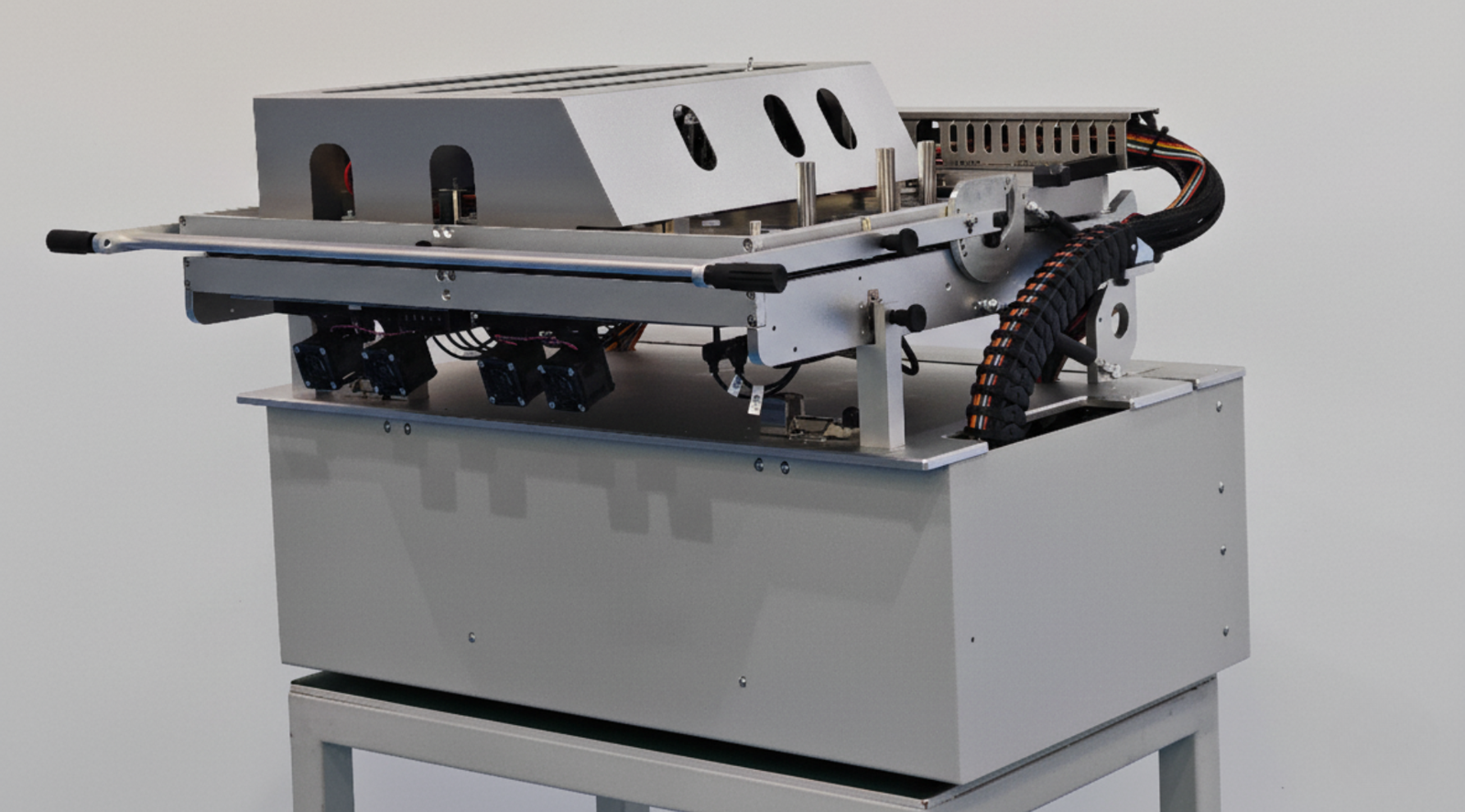
Signal Switching Units are specialized systems designed to automatically route RF signals between various instruments, devices, antennas, and test paths. They act as intelligent traffic controllers within a testing environment, ensuring signals reach the correct destination without requiring constant manual intervention.
These systems typically consist of RF switches, control electronics, software interfaces, and routing configurations that allow engineers to create automated testing workflows.
By eliminating repetitive cable changes, switching units improve productivity and create more repeatable test conditions.
Why RF Testing Requires Signal Switching
Modern RF testing environments are far more complex than those used just a few years ago. Devices now support multiple frequency bands, advanced antenna configurations, and diverse communication protocols.
Testing these products often requires:
Multiple measurement instruments
Several signal generators
Different antennas
Numerous test scenarios
Automated validation sequences
Without a switching solution, engineers would need to manually configure connections for every test step. This not only slows testing but also increases the risk of connection errors.
Signal switching technology enables laboratories to:
Execute automated test sequences
Reduce operator workload
Improve testing consistency
Maximize equipment usage
Accelerate product development cycles
These benefits become increasingly important as organizations strive to bring innovative wireless products to market faster.
Key Components of a Signal Switching System
Understanding the primary components helps beginners grasp how switching systems operate.
RF Switches
RF switches are the core elements responsible for directing signal paths. Depending on the application, they may support various frequencies, power levels, and switching configurations.
Control System
The control unit manages switching operations. It receives commands from software or automation platforms and activates the appropriate signal routes.
Software Interface
Modern systems often include intuitive software dashboards that allow engineers to configure paths, monitor operations, and integrate switching functions into automated test procedures.
Cabling and Connectors
High-quality RF cables and connectors ensure signal integrity throughout the testing process. Even the best switch architecture can suffer performance issues if poor interconnections are used.
Major Benefits of Signal Switching Units
Organizations investing in RF testing infrastructure often prioritize efficiency, scalability, and accuracy. Signal switching solutions contribute to all three areas.
Improved Test Automation
Automation has become a defining trend in RF testing. Switching systems allow engineers to execute large test plans without manually changing connections.
This capability significantly reduces testing time and supports continuous operation.
Better Resource Utilization
RF instruments can be expensive. Instead of dedicating separate equipment to every test setup, switching systems enable multiple tests to share the same instruments efficiently.
As a result, laboratories can achieve higher utilization rates and lower operational costs.
Enhanced Repeatability
Manual cable changes can introduce inconsistencies between test runs. Automated switching provides repeatable signal paths, helping generate more reliable and accurate results.
Reduced Human Error
Incorrect cable connections are a common source of testing problems. Automated switching minimizes these risks and improves overall workflow reliability.
Scalability
As testing requirements grow, switching architectures can often be expanded to support additional devices, instruments, or test scenarios without requiring complete infrastructure redesigns.

Features to Look for When Selecting a Signal Switching Solution
When evaluating options, decision-makers should focus on both current requirements and future growth plans.
Frequency Coverage
Ensure the switching solution supports all required operating frequencies, including future technologies that may be added later.
Low Insertion Loss
Lower signal loss improves measurement accuracy and helps maintain signal quality throughout the testing process.
High Isolation Performance
Strong isolation reduces unwanted signal leakage and improves overall test reliability.
Fast Switching Speed
Rapid switching enables quicker automated testing cycles and higher throughput.
Software Compatibility
Integration with existing test automation platforms can significantly improve efficiency and reduce deployment time.
Reliability and Lifecycle
High-quality RF switches are designed to withstand millions of switching cycles, providing long-term operational value.
Best Practices for Implementing Signal Switching Systems
Organizations can maximize the value of their switching infrastructure by following several proven practices.
Design for Future Growth
Build flexibility into the architecture from the beginning. Future products and technologies may require additional signal paths and testing capabilities.
Prioritize Signal Integrity
Select quality components and minimize unnecessary cable lengths to preserve RF performance.
Document Routing Configurations
Clear documentation simplifies troubleshooting, maintenance, and future expansion efforts.
Integrate Automation Early
Automation should be considered during the planning phase rather than added later. This approach creates a more efficient and scalable testing environment.
Perform Regular Validation
Periodic verification helps identify performance degradation before it impacts measurement accuracy.
The Growing Role of Signal Switching in Next-Generation Testing
The wireless industry continues to evolve rapidly. Emerging technologies such as 6G research, advanced satellite communications, connected vehicles, industrial IoT, and private wireless networks are increasing testing complexity.
To keep pace with these developments, laboratories need highly flexible infrastructures capable of handling diverse testing scenarios. Signal Switching Units are becoming a foundational element of these modern environments because they support automation, scalability, and efficient resource management.
As AI-assisted testing platforms and digital twin technologies become more common, switching systems will play an even greater role in enabling intelligent, adaptive testing workflows.
Build Smarter RF Testing Environments with Advanced Signal Routing
As RF technologies become more sophisticated, efficient signal management is no longer optional. Well-designed Signal Switching Units help organizations reduce testing complexity, improve automation, and maximize the value of their RF equipment investments. By selecting scalable solutions, prioritizing signal integrity, and integrating automation strategies, testing teams can create future-ready environments capable of supporting next-generation wireless innovation.
For organizations seeking advanced RF testing solutions, Orbis Systems continues to support the industry with innovative engineering expertise, automation capabilities, and high-performance test infrastructure designed to meet the evolving demands of modern wireless technologies.
Frequently Asked Questions
What are signal switching units used for in RF testing?
Signal switching units automatically route RF signals between test instruments, antennas, and devices under test. They help automate testing processes, reduce manual intervention, and improve efficiency.
Do signal switching units affect measurement accuracy?
Any switching system introduces some insertion loss, but high-quality solutions are designed to minimize signal degradation. Proper selection and implementation help maintain accurate measurements.
Can signal switching systems support automated testing?
Yes. Most modern switching systems are designed specifically for automated test environments and can integrate with test software, control systems, and laboratory automation platforms.
How do I choose the right RF switching solution?
Consider factors such as frequency range, insertion loss, isolation, switching speed, reliability, scalability, and software compatibility when evaluating options.
Are signal switching units necessary for small testing laboratories?
Even smaller laboratories can benefit from switching systems by reducing setup time, improving repeatability, and maximizing equipment utilization.
What industries commonly use RF signal switching systems?
Telecommunications, aerospace, defense, automotive, consumer electronics, satellite communications, research institutions, and IoT device manufacturers frequently rely on RF switching solutions.




Write a comment ...