
The Internet of Things (IoT) continues to transform industries in 2026, connecting everything from smart home devices and industrial sensors to medical equipment and autonomous systems. As the number of connected devices grows, so does the complexity of ensuring reliable wireless performance. Manufacturers are under increasing pressure to deliver products that operate seamlessly in crowded RF environments while meeting strict regulatory requirements.
This is where advanced testing environments become essential. Wireless communication technologies such as Wi-Fi 7, Bluetooth, Zigbee, LoRaWAN, NB-IoT, and private 5G require precise validation before products reach the market. Even minor interference issues can result in connectivity failures, poor user experiences, or costly product recalls.
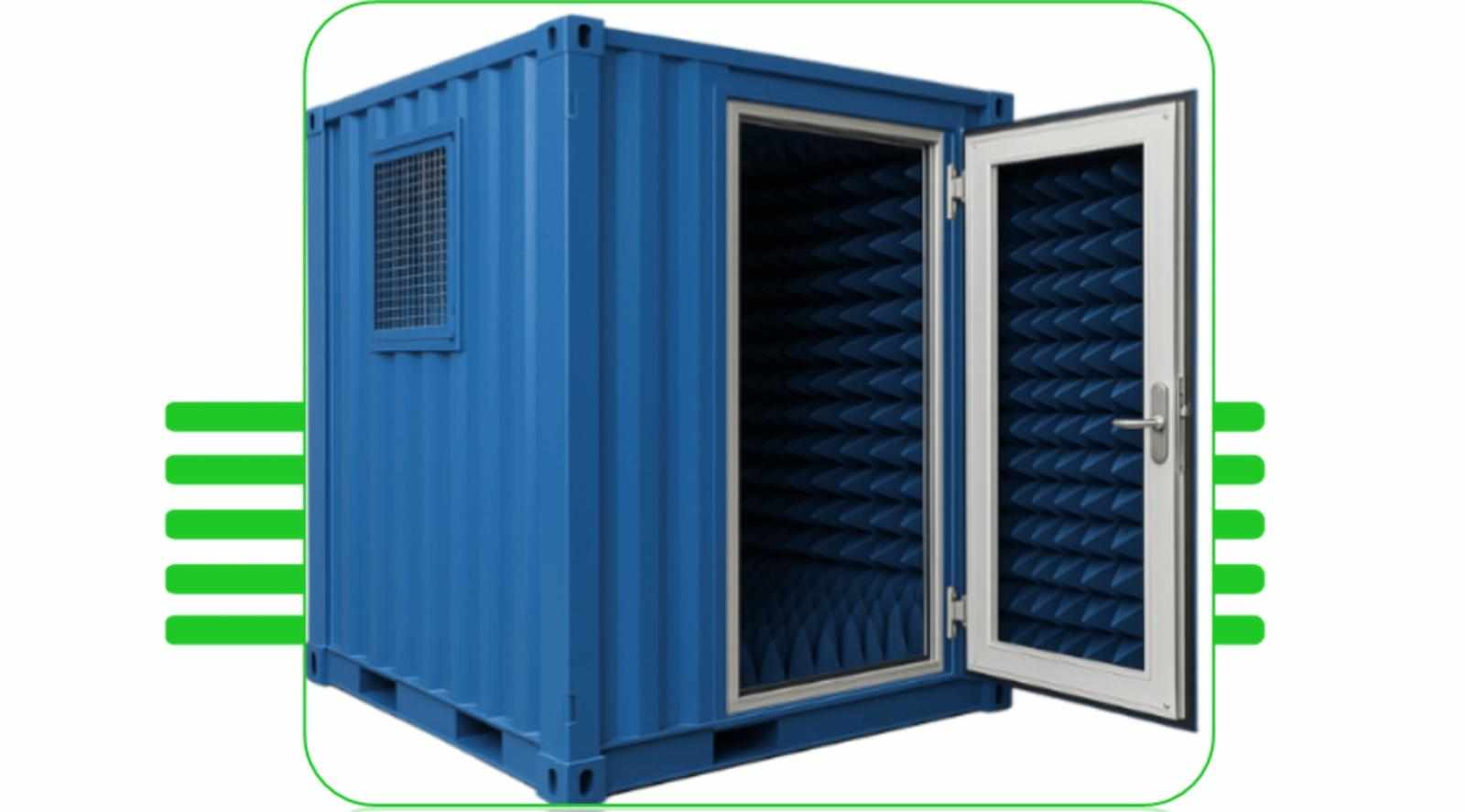
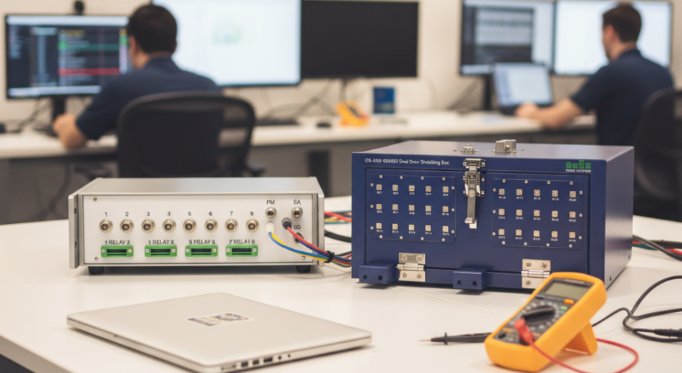
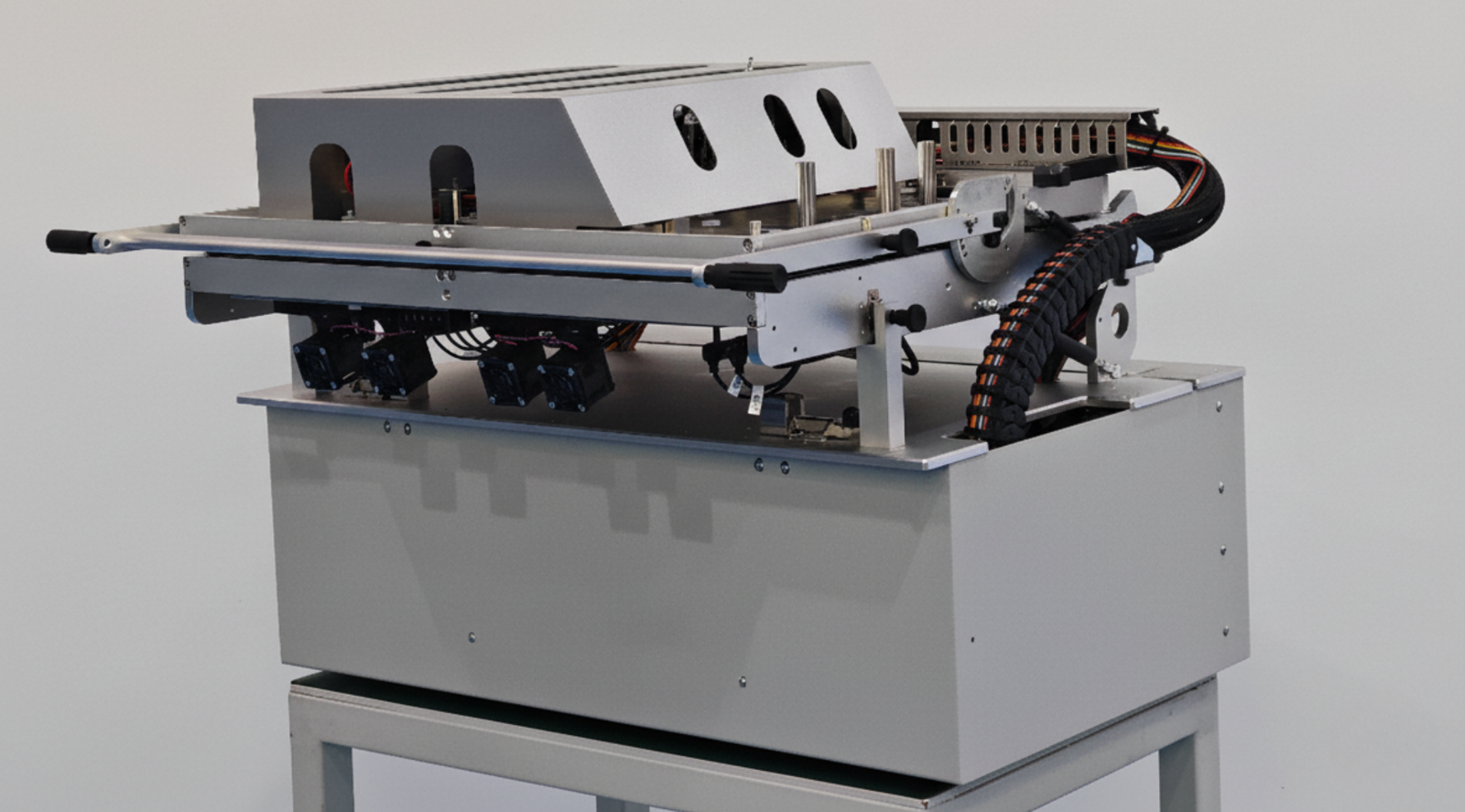
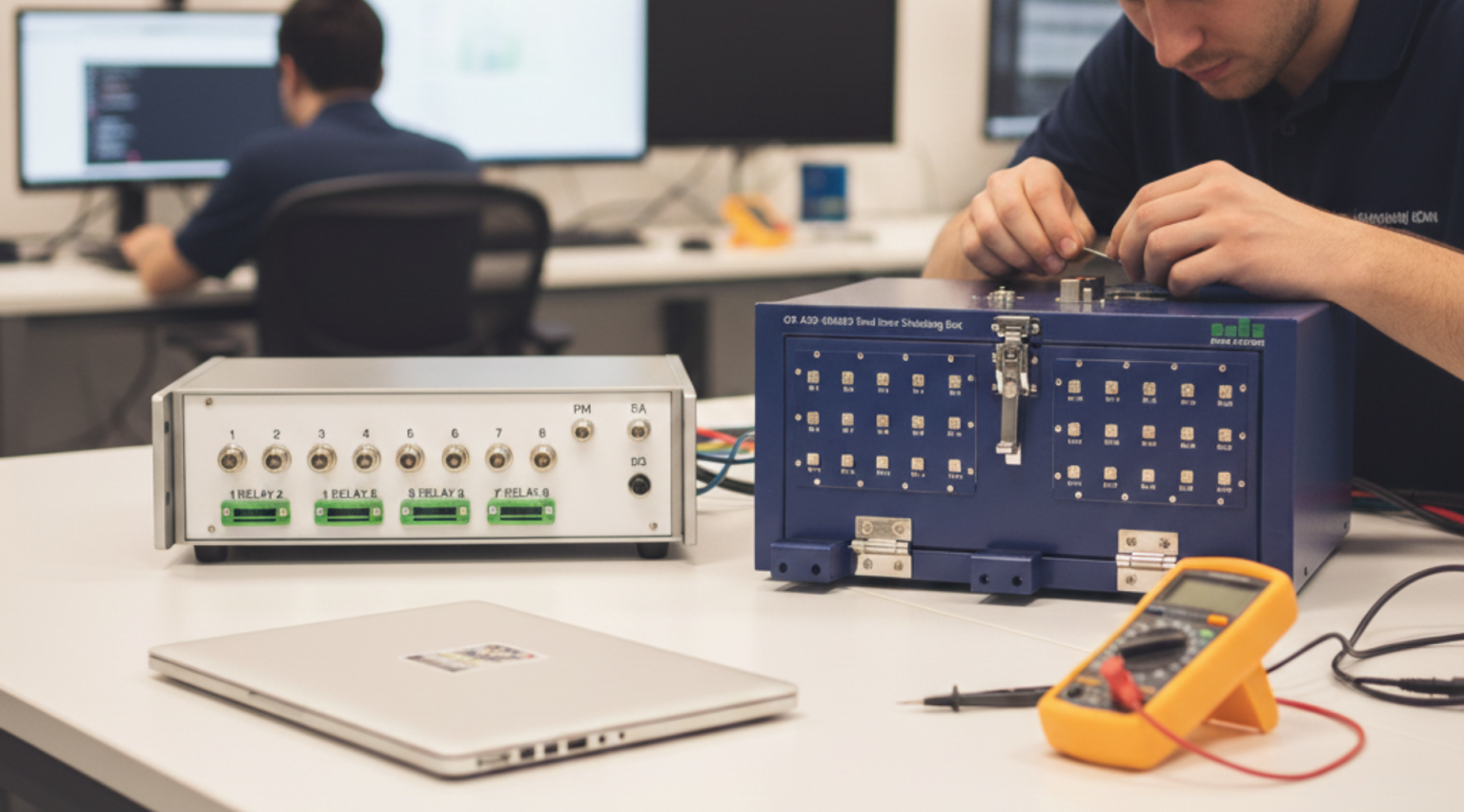
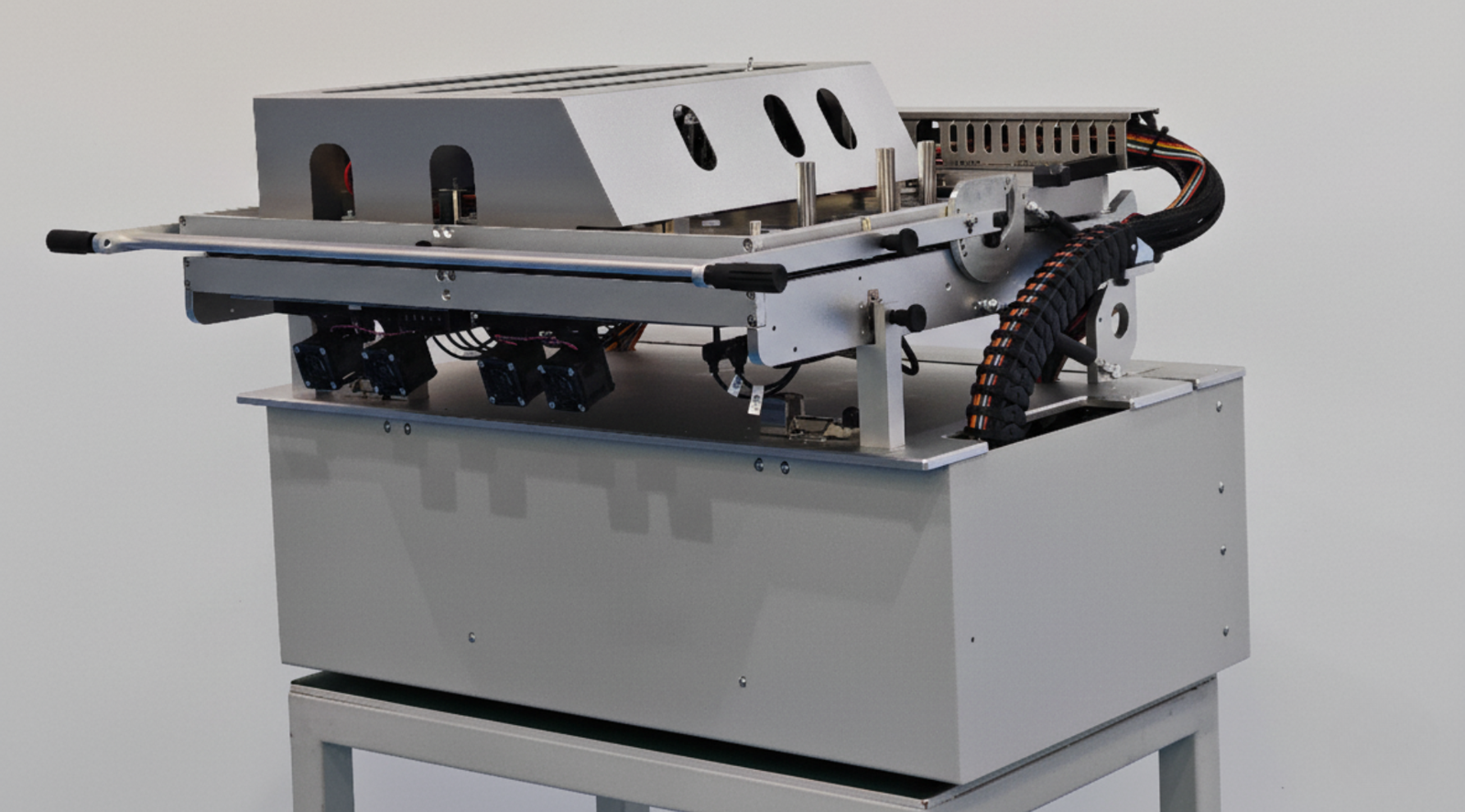
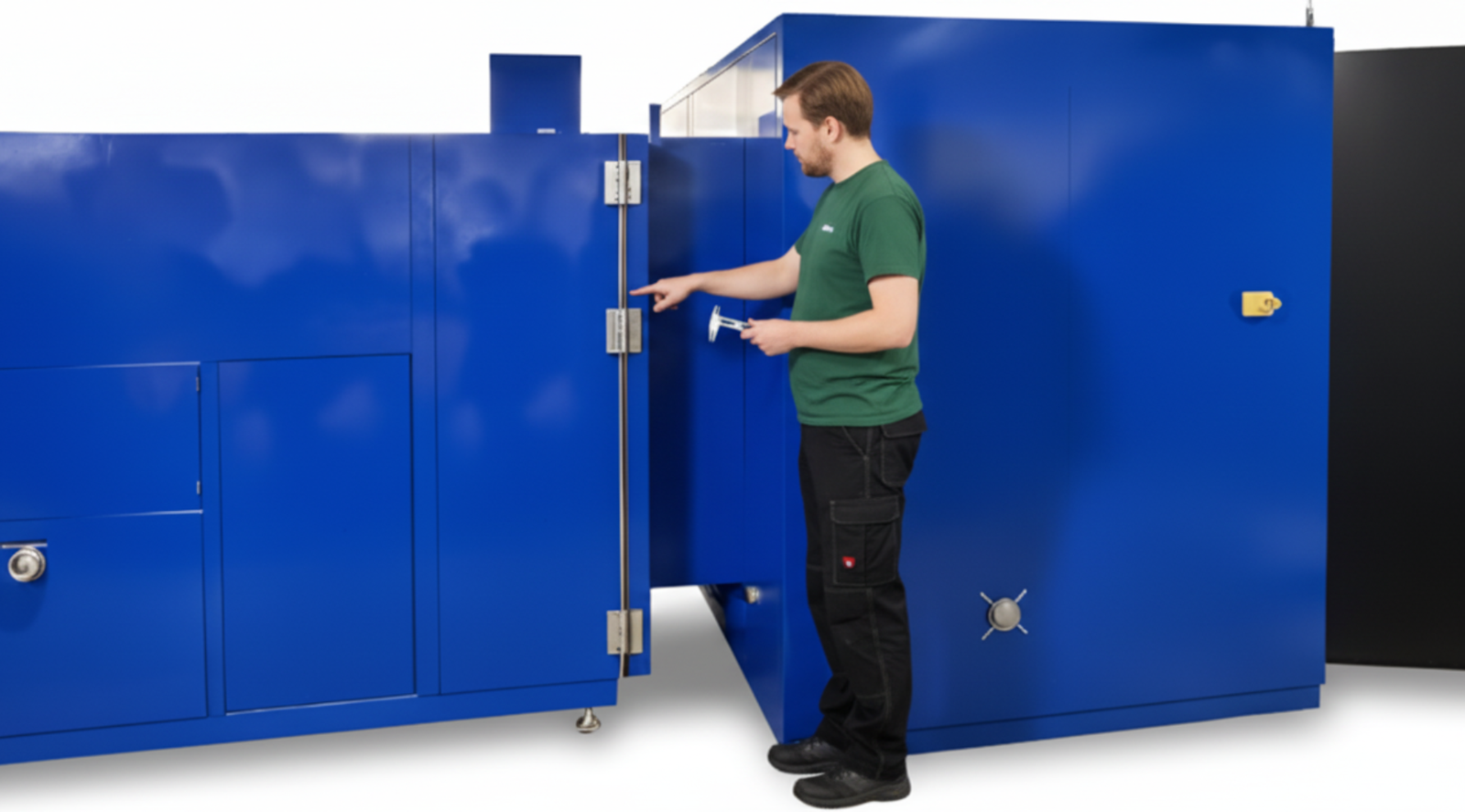
An rf isolation chamber provides a controlled environment where engineers can accurately test wireless devices without external interference. These chambers have become a fundamental part of modern IoT product development, helping organizations improve product quality, accelerate certification processes, and reduce development risks.
Key Takeaways
Learn why RF testing is essential for successful IoT product development.
Understand how controlled test environments improve measurement accuracy.
Discover the key benefits of RF isolation chambers for wireless validation.
Explore best practices for selecting and implementing RF testing solutions.
Find answers to common questions about RF isolation chamber applications and performance.
The Growing Complexity of IoT Product Development
IoT devices are expected to perform reliably in increasingly challenging wireless environments. A single smart device may need to communicate through multiple protocols while operating near countless sources of electromagnetic interference.
Consider a smart factory deployment. Sensors, robotic systems, industrial gateways, private 5G networks, and Wi-Fi infrastructure all operate simultaneously. If a new device cannot maintain stable communication under these conditions, operational disruptions can occur.
Testing products in open environments often introduces unpredictable variables that make measurements inconsistent. Engineers need repeatable conditions to accurately evaluate antenna performance, signal strength, throughput, latency, and coexistence behavior.
Controlled RF testing environments help eliminate uncertainty and provide confidence that products will perform as expected after deployment.
Why Wireless Interference Is a Major Challenge
One of the biggest obstacles during IoT development is electromagnetic interference. Wireless signals from nearby equipment can affect testing results, making it difficult to determine whether performance issues originate from the device itself or from the surrounding environment.
Common challenges include:
Signal leakage from external wireless sources
Inconsistent test measurements
Reduced repeatability between test cycles
Delayed certification processes
Increased debugging and troubleshooting time
Without proper isolation, engineers may spend valuable development resources investigating problems that are not actually caused by the device under test.
This is why many organizations invest in dedicated RF testing infrastructure early in the product development cycle.
How RF Isolation Chambers Support Accurate Testing
An rf isolation chamber creates a shielded environment that blocks unwanted external RF signals while containing emissions generated by the device being tested.
This controlled environment allows engineers to evaluate wireless performance under consistent conditions. Since outside interference is minimized, measurements become more accurate and repeatable.
Key testing activities supported by isolation chambers include:
Antenna Performance Validation
IoT devices depend heavily on antenna efficiency. Even a well-designed product can experience poor connectivity if antenna performance is compromised.
Isolation chambers enable engineers to assess:
Signal transmission quality
Antenna tuning effectiveness
Radiation characteristics
Wireless range performance
Accurate antenna testing helps improve overall product reliability.
Functional Wireless Testing
Developers must verify that devices communicate correctly with gateways, access points, and other connected systems.
Isolation chambers support:
Bluetooth testing
Wi-Fi performance evaluation
Cellular connectivity validation
Zigbee and Thread testing
Private 5G device assessments
By removing environmental variables, teams can focus on genuine product behavior.
Regulatory Pre-Compliance Testing
Most wireless products must comply with regional regulatory requirements before entering the market.
Testing within a controlled environment helps identify potential issues before formal certification, reducing delays and minimizing expensive redesigns.
Benefits of RF Isolation Chambers for IoT Manufacturers
Improved Test Accuracy
Reliable data is essential for making informed engineering decisions. Isolation chambers significantly reduce measurement uncertainty by minimizing external RF interference.
More accurate data leads to better product optimization and fewer surprises during deployment.
Faster Development Cycles
When testing results are consistent, engineers can identify and resolve issues more quickly.
This accelerated troubleshooting process helps organizations shorten development timelines and bring products to market faster.
Better Product Reliability
IoT devices often operate in mission-critical environments where communication failures are unacceptable.
Controlled testing helps validate performance under realistic conditions, increasing confidence in long-term reliability.
Enhanced Repeatability
Repeatable testing is crucial for product verification and quality assurance.
Isolation chambers ensure that measurements remain consistent across multiple test sessions, development teams, and production facilities.
Reduced Certification Risks
Products that undergo extensive internal validation are more likely to pass regulatory testing on the first attempt.
This reduces certification costs and prevents unnecessary project delays.
Essential Features to Consider
Not all RF testing environments are created equal. Selecting the right solution requires evaluating several critical factors.
Shielding Effectiveness
The primary purpose of an isolation chamber is to prevent unwanted RF signals from entering or leaving the test environment.
Higher shielding performance generally results in more accurate measurements.
Frequency Coverage
Modern IoT products may operate across multiple frequency bands.
Organizations should ensure their testing environment supports current and future wireless technologies, including emerging 5G and Wi-Fi applications.
Automation Compatibility
Automated testing improves efficiency and consistency.
Many modern chambers can integrate with robotic systems, test software, and automated measurement platforms to streamline workflows.
Size and Scalability
Testing requirements vary significantly between compact sensors and larger industrial devices.
Selecting a scalable solution helps organizations adapt to evolving product portfolios.
Best Practices for Implementing RF Testing Solutions
Organizations seeking to maximize testing efficiency should follow several best practices.
Define Testing Requirements Early
Wireless validation requirements should be established during the product design phase rather than after development is complete.
Early planning helps avoid costly redesigns and delays.
Create Repeatable Test Procedures
Standardized testing methodologies improve consistency and make performance comparisons more meaningful across different development stages.
Integrate Testing Into Development Workflows
Testing should occur throughout the product lifecycle rather than only before certification.
Continuous validation enables faster issue detection and reduces overall project risk.
Invest in Automation
As IoT product complexity increases, automated testing becomes increasingly valuable.
Automation improves repeatability, reduces human error, and increases laboratory productivity.
Plan for Future Technologies
Wireless standards continue to evolve rapidly.
Organizations should select testing infrastructure that can accommodate future connectivity requirements, ensuring long-term value from their investment.
The Future of RF Testing in the IoT Era
The demand for connected devices continues to grow across industries including healthcare, manufacturing, transportation, agriculture, and smart cities.
Emerging technologies such as AI-powered edge devices, private 5G networks, digital twins, and industrial IoT systems will require even more sophisticated wireless validation processes.
As connectivity requirements become increasingly complex, the role of the rf isolation chamber will expand beyond basic signal containment. Advanced testing environments will support automated validation, multi-device coexistence testing, and high-frequency communication technologies that define the next generation of connected products.
Organizations that invest in modern RF testing capabilities today will be better positioned to develop reliable, scalable, and future-ready IoT solutions.
Advance Your IoT Testing Strategy with Proven RF Solutions
As IoT ecosystems continue to expand, reliable wireless performance has become a critical factor in product success. Investing in advanced testing environments allows organizations to validate connectivity, improve product quality, accelerate development cycles, and reduce certification risks. For companies seeking innovative RF testing technologies and scalable wireless validation solutions, Orbis Systems continues to support the industry with expertise, precision engineering, and forward-thinking test solutions designed for the connected world.
Frequently Asked Questions
What is an RF isolation chamber used for?
An RF isolation chamber is used to create a controlled wireless testing environment by preventing external RF signals from interfering with measurements. It helps engineers evaluate wireless devices accurately during development, validation, and certification processes.
Why is an RF isolation chamber important for IoT devices?
IoT devices rely on wireless communication technologies that must operate reliably in real-world environments. Isolation chambers help validate performance, identify issues early, and improve product quality before market launch.
Can RF isolation chambers support multiple wireless technologies?
Yes. Modern chambers can support testing for Wi-Fi, Bluetooth, Zigbee, Thread, LoRaWAN, cellular IoT, private 5G, and many other wireless communication protocols.
How do RF isolation chambers improve test repeatability?
By eliminating external interference and creating consistent testing conditions, isolation chambers ensure that measurements remain stable across multiple test cycles, making results more reliable and comparable.
What should companies consider when selecting an RF isolation chamber?
Important factors include shielding effectiveness, frequency range, chamber size, automation compatibility, scalability, and support for future wireless technologies.
Are RF isolation chambers useful for pre-compliance testing?
Absolutely. Many organizations use isolation chambers to identify RF performance issues before formal certification testing, helping reduce costs, minimize delays, and improve the likelihood of passing regulatory requirements.



Write a comment ...