
In 2026, the demand for high-performance wireless systems—from 5G Advanced to emerging 6G prototypes—has pushed RF testing to a new level of complexity. Engineers and organizations are no longer just validating signals; they’re optimizing entire ecosystems of connected devices. This shift has made rf test system design more critical than ever, as precision, scalability, and automation directly impact product quality and time-to-market.
Two prominent names often come up in this space: Orbis Systems and Keysight Technologies. Both offer advanced solutions, but their approaches, strengths, and ideal use cases differ significantly. Choosing the right partner isn’t just about tools—it’s about aligning with a solution that fits your testing goals, infrastructure, and future scalability.
Key Takeaways
Understand the core differences between Orbis Systems and Keysight Technologies
Learn how rf test system design impacts accuracy, efficiency, and scalability
Discover key factors to consider when selecting an RF testing partner
Explore practical insights to optimize your RF testing environment
Identify which solution best aligns with your business or lab requirements
Understanding RF Testing in the Modern Era
RF testing has evolved far beyond basic signal validation. Today’s environments require integrated systems capable of handling complex modulation schemes, multi-band frequencies, and real-time data analysis.
A well-planned rf test system design ensures:
Accurate signal measurement across frequencies
Reduced interference and noise
Seamless automation and repeatability
Scalability for future technologies
Without a robust design, even the most advanced instruments can fail to deliver reliable results.
Orbis Systems: Customization and Integration Excellence
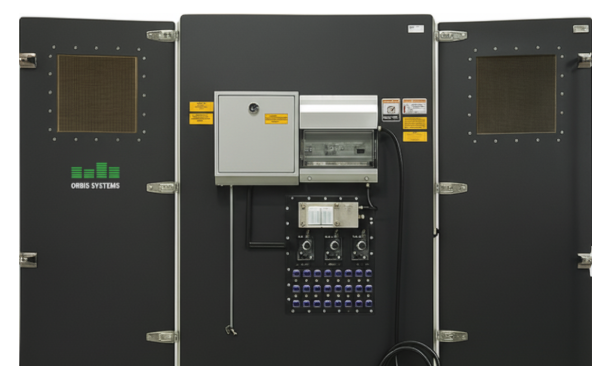
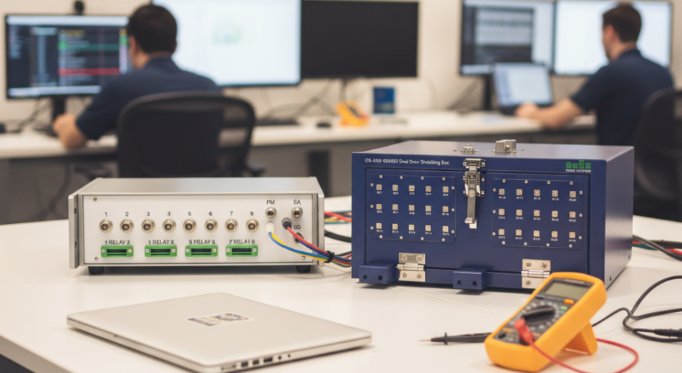
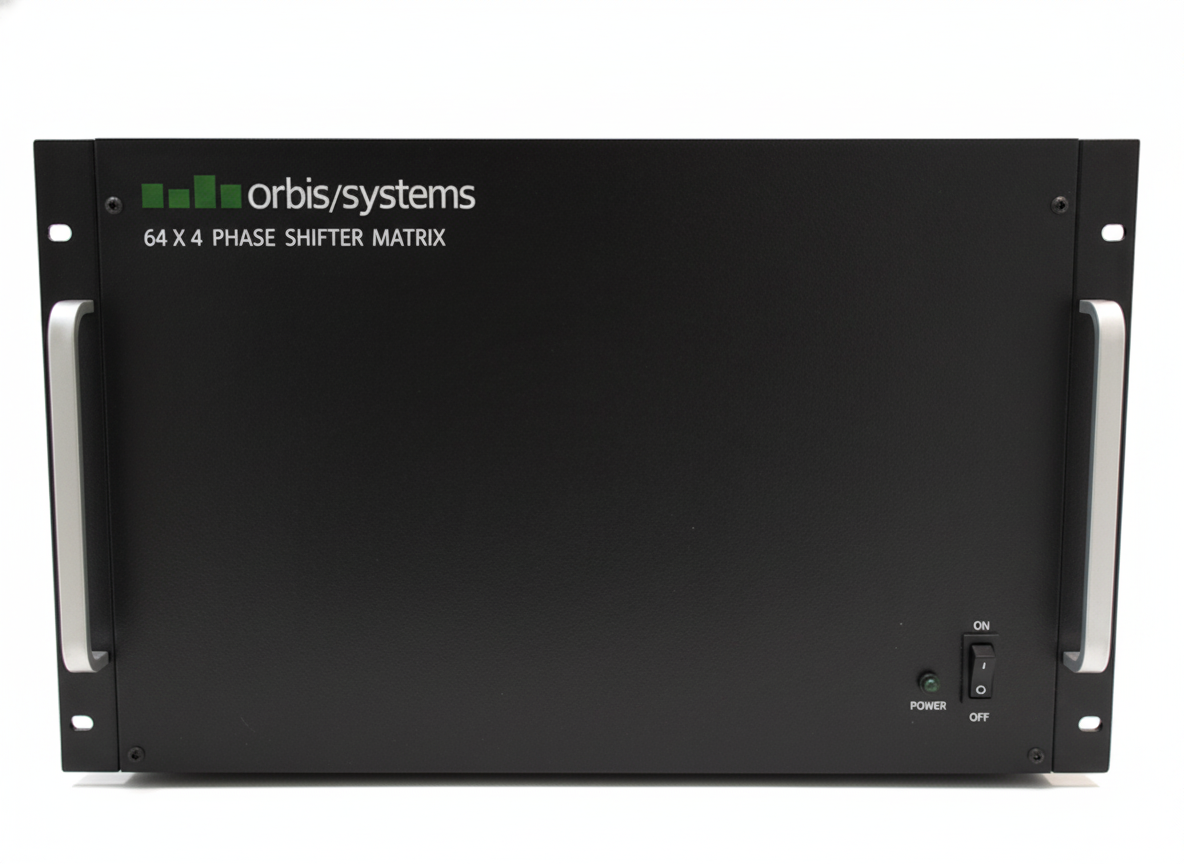
Orbis Systems focuses on delivering highly customized RF testing solutions tailored to specific client needs. Rather than offering only standalone instruments, the company emphasizes complete system integration.

Key Strengths:
Tailored Solutions: Designed around your exact testing requirements
End-to-End Integration: Hardware, software, and automation combined
Flexibility: Ideal for unique or evolving test environments
Automation Expertise: Streamlined workflows for faster testing cycles
Organizations working on specialized applications—such as automotive radar, IoT devices, or antenna testing—often benefit from this approach. The flexibility in rf test system design allows teams to adapt quickly as requirements change.
Keysight Technologies: Precision and Standardization
Keysight Technologies is a global leader known for its high-precision instruments and standardized testing platforms. Their solutions are widely used across telecom, aerospace, and semiconductor industries.Key Strengths:

High Accuracy Instruments: Industry-leading measurement precision
Comprehensive Product Portfolio: Wide range of RF testing tools
Established Ecosystem: Strong software and support infrastructure
Global Recognition: Trusted by large enterprises and research labs
Keysight’s solutions are particularly effective for organizations that require standardized testing environments and consistent performance across multiple locations.
Comparing the Two: What Sets Them Apart?
1. Approach to RF Test System Design
Orbis Systems: Focuses on customized, application-specific designs
Keysight: Offers standardized, instrument-driven solutions
If your project requires a unique setup, Orbis Systems provides more flexibility. For uniform testing across global teams, Keysight may be the better fit.
2. Scalability and Flexibility
Orbis Systems: Highly adaptable to evolving requirements
Keysight: Scalable within its existing ecosystem
Organizations dealing with rapidly changing technologies often prefer a flexible rf test system design that can evolve without major overhauls.
3. Automation and Workflow Efficiency
Orbis Systems: Strong focus on customized automation workflows
Keysight: Offers robust but standardized automation tools
Custom automation can significantly reduce testing time, especially in high-volume production environments.
4. Cost Considerations
Orbis Systems: Cost-effective for tailored solutions
Keysight: Premium pricing for high-end instruments
The total cost depends on your requirements. A fully customized system may offer better long-term ROI compared to investing in multiple standalone instruments.
Key Challenges in Choosing the Right RF Testing Solution
Selecting the right solution isn’t always straightforward. Organizations often face challenges such as:
Complex Requirements: Multiple frequency bands and test scenarios
Integration Issues: Combining different hardware and software components
Scalability Concerns: Adapting to future technologies
Budget Constraints: Balancing cost with performance
A strategic approach to rf test system design can help overcome these challenges by ensuring the system is built with both current and future needs in mind.
Best Practices for Selecting the Right RF Testing Partner
1. Define Your Testing Goals Clearly
Understand whether you need:
R&D testing
Production testing
Compliance validation
Each use case requires a different approach.
2. Prioritize System Integration
A well-integrated system reduces errors and improves efficiency. Look for solutions that combine hardware and software seamlessly.
3. Evaluate Automation Capabilities
Automation is no longer optional. Choose a solution that minimizes manual intervention and supports repeatable testing processes.
4. Consider Future Scalability
Your testing needs will evolve. Ensure your system can adapt without requiring a complete redesign.
5. Assess Support and Expertise
A strong support team can make a significant difference in implementation and troubleshooting.
When to Choose Orbis Systems vs Keysight Technologies
Choose Orbis Systems if:
You need a customized testing solution
Your applications are complex or unique
You require flexible and scalable systems
You want integrated automation workflows
Choose Keysight Technologies if:
You need standardized testing environments
Precision measurement is your top priority
You operate across multiple global locations
You prefer established, ready-to-use solutions
Frequently Asked Questions (FAQs)
1. What is RF test system design and why is it important?
RF test system design involves creating a structured setup of instruments, software, and processes to test radio frequency devices. It ensures accurate measurements, efficient workflows, and reliable results.
2. Which is better for 5G testing: Orbis Systems or Keysight?
Both are strong contenders. Keysight excels in standardized 5G testing environments, while Orbis Systems offers customized solutions tailored to specific 5G use cases.
3. Can customized RF testing systems improve efficiency?
Yes, customized systems streamline workflows, reduce manual intervention, and improve testing speed—especially in complex environments.
4. How do I choose the right RF testing solution for my lab?
Start by defining your requirements, evaluating scalability, and comparing integration capabilities. A flexible rf test system design often provides long-term benefits.
5. Is automation important in RF testing?
Absolutely. Automation reduces human error, increases repeatability, and speeds up testing processes, making it essential for modern RF labs.
6. What industries benefit most from advanced RF testing solutions?
Industries such as telecommunications, automotive, aerospace, and IoT heavily rely on advanced RF testing for performance validation and compliance.
Ready to Elevate Your RF Testing Strategy?
Choosing between Orbis Systems and Keysight Technologies ultimately depends on your specific needs, budget, and long-term goals. If your focus is on flexibility, customization, and seamless integration, a tailored approach can provide significant advantages.
For organizations looking to stay ahead in a rapidly evolving RF landscape, investing in a well-planned testing strategy is no longer optional—it’s essential. With its expertise in delivering innovative and scalable solutions, Orbis Systems stands out as a trusted partner for businesses seeking advanced, future-ready RF testing capabilities.


Write a comment ...