
In 2026, industries are moving faster toward intelligent manufacturing, connected testing environments, and data-driven operations. From RF testing labs and telecom production lines to automotive electronics and industrial automation, organizations are under increasing pressure to improve efficiency, reduce manual processes, and deliver consistent results at scale.
This shift has made automated system integration more important than ever. Businesses are no longer looking at automation as a future investment—it has become a competitive necessity. Companies need systems that connect hardware, software, robotics, sensors, data platforms, and testing instruments into one reliable ecosystem.
However, technology alone does not guarantee success. The real challenge often lies in choosing the right integration partner—one that understands your technical goals, operational challenges, and long-term business strategy.
The right partner can help reduce project risks, improve system performance, and ensure your automation investment delivers measurable results.
Key Takeaways
Learn what makes a reliable automation integration partner
Understand the risks of choosing the wrong integration provider
Discover key evaluation criteria before starting your project
Explore best practices for implementation, scalability, and long-term support
Find out how integrated automation improves operational performance
Why Automated Integration Matters More Than Ever
Modern organizations work with increasingly complex systems. Test equipment, PLCs, robotics, measurement instruments, sensors, and software platforms must work together seamlessly.
Without proper integration, companies often face:
Data silos
Communication failures
Manual process bottlenecks
Production delays
Inconsistent test results
This is where automated system integration creates real value. By connecting critical systems and processes, businesses can improve visibility, consistency, and operational control.
In sectors such as electronics testing, wireless validation, and smart manufacturing, integration directly impacts quality, throughput, and scalability.
The Real Cost of Choosing the Wrong Partner
Selecting the wrong integration partner can lead to serious setbacks.
Some common problems include:
Poor System Compatibility
A provider may deliver hardware or software that does not communicate effectively with your existing infrastructure.
Missed Project Deadlines
Lack of planning or technical expertise often causes costly delays.
Limited Scalability
Some systems work initially but fail to support future upgrades or expansion.
Weak Documentation and Support
Without proper documentation, troubleshooting and maintenance become difficult.
Choosing a partner should never be based only on price. Long-term reliability matters far more than short-term savings.
What Makes a Strong Integration Partner?
The best integration partners bring both technical expertise and strategic thinking.
Look for providers that offer:
Industry Experience
Experience in your specific sector matters.
For example:
RF testing systems
Telecommunications
Industrial automation
Automotive validation
Production test environments
An experienced partner understands industry-specific challenges and compliance requirements.
Engineering Capabilities
Strong engineering teams should handle:
Mechanical design
Electrical integration
Software development
Instrument control
Data communication protocols
A partner with multi-disciplinary expertise reduces project complexity.
Customization Flexibility
No two automation projects are identical.
A reliable partner should tailor solutions around your:
Workflow requirements
Facility constraints
Performance goals
Existing infrastructure
Avoid providers who only offer rigid, off-the-shelf systems.
Questions to Ask Before Selecting a Partner
Before moving forward, ask important technical and strategic questions.
What Similar Projects Have You Completed?
Case studies reveal practical experience.
Ask for examples involving:
Automated production lines
RF test automation
Robotic handling systems
Measurement and inspection systems
Can You Support Future Expansion?
Your system should grow with your business.
Ask how their architecture supports:
Additional instruments
Software upgrades
Multi-site deployment
Remote diagnostics
What Support Is Available After Deployment?
Support is just as important as installation.
Look for:
Preventive maintenance
Software updates
Remote troubleshooting
Spare parts availability
Engineering consultation
Long-term service can significantly improve system ROI.
Key Technical Features to Evaluate
When comparing providers, review the technology stack they offer.
Important features include:
Open Architecture
Open systems support easier integration with future technologies.
This improves flexibility and avoids vendor lock-in.
Real-Time Monitoring
Modern automation should include dashboards, alerts, and live system diagnostics.
Data Connectivity
Systems should support:
OPC UA
Ethernet/IP
Modbus
API integration
Cloud connectivity
Cybersecurity
In 2026, connected systems require strong security controls.
Ensure your partner follows secure automation practices.
Best Practices for Successful Implementation
Even with the right partner, project success depends on proper planning.
Here are proven best practices:
Define Clear Project Goals
Start with measurable objectives.
Examples include:
Reduce test cycle time by 30%
Improve yield consistency
Increase throughput
Improve data traceability
Clear goals help align engineering decisions.
Involve Cross-Functional Teams
Bring together:
Engineers
Operators
IT teams
Maintenance staff
Quality teams
Early collaboration reduces implementation issues.
Start with Pilot Deployment
Testing on a smaller scale reduces risk before full rollout.
Pilot systems help identify:
Software issues
Communication bottlenecks
Workflow adjustments
Prioritize Training
User adoption is critical.
Provide operator training for:
System controls
Diagnostics
Safety procedures
Maintenance routines
Well-trained teams maximize automation performance.
Future Trends in Automated Integration
Automation is evolving rapidly.
Some major trends in 2026 include:
AI-Based Predictive Diagnostics
Systems now detect performance issues before failures occur.
Digital Twin Technology
Virtual models improve system optimization before physical deployment.
Cloud-Based Analytics
Real-time performance insights support global operations.
Collaborative Robotics
Human-machine collaboration improves flexibility and safety.
Organizations investing in automated system integration today are better prepared for these future technologies.
Common Mistakes to Avoid
Many organizations make preventable mistakes such as:
Choosing based only on cost
Ignoring future scalability
Underestimating software integration
Skipping operator training
Failing to document system architecture
Avoiding these issues can save significant time and money.
Build Smarter Systems with the Right Integration Partner
Automation is no longer just about connecting machines—it’s about building intelligent, scalable systems that support long-term growth. Choosing the right integration partner can make the difference between operational challenges and measurable business success.
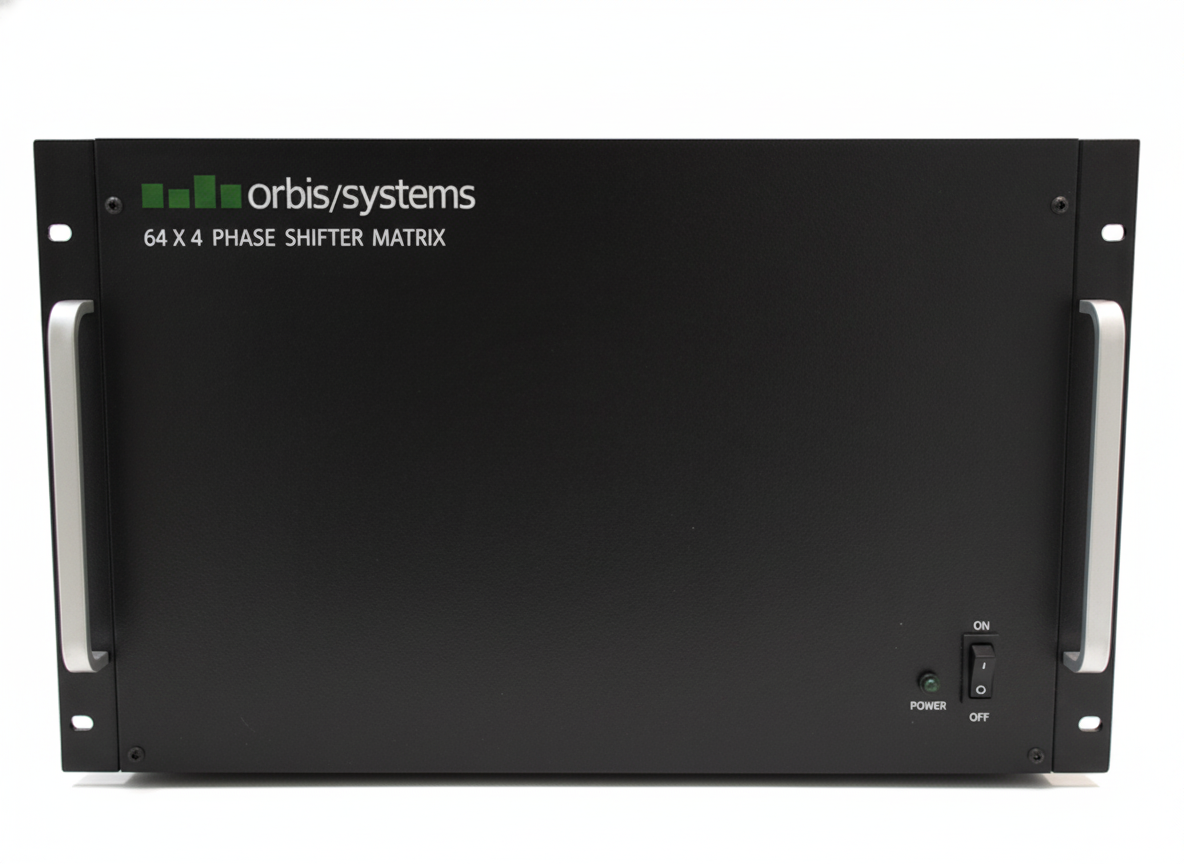
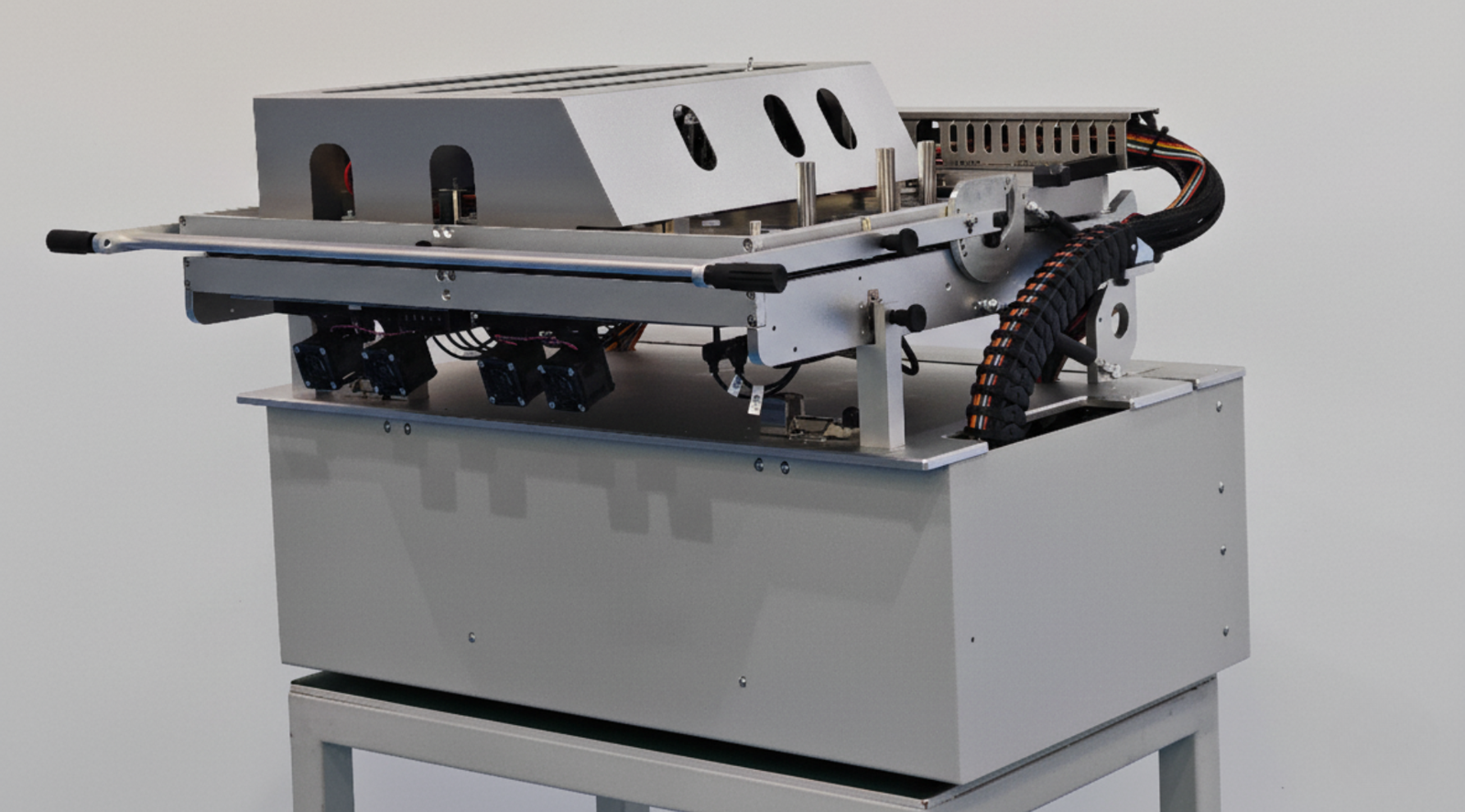
With deep expertise in RF testing, automation engineering, and intelligent system design, Orbis Systems continues to help organizations worldwide implement innovative automation solutions built for precision, scalability, and long-term performance.
Frequently Asked Questions
1. What is automated system integration?
Automated system integration connects machines, software, instruments, sensors, and control systems into one unified operational environment that improves efficiency and consistency.
2. How do I choose the best automation integration partner?
Look for industry experience, engineering expertise, customization capabilities, strong support services, and proven project success.
3. What industries benefit from automation integration?
Industries such as telecom, electronics, aerospace, automotive, medical manufacturing, and industrial production benefit greatly from integrated automation systems.
4. How long does an integration project usually take?
Project timelines vary depending on complexity, customization, and infrastructure. Smaller systems may take weeks, while enterprise-scale deployments can take several months.
5. What should be included in post-installation support?
Post-installation support should include maintenance, software updates, troubleshooting, spare parts, remote diagnostics, and operator training.



Write a comment ...